FDA Generic Approval: What It Really Means for Your Medications
When you hear FDA generic approval, the official process the U.S. Food and Drug Administration uses to confirm that a generic drug is as safe and effective as its brand-name counterpart. Also known as ANDA approval, it’s the reason you can buy the same medicine for a fraction of the price—without sacrificing results. Over 90% of prescriptions in the U.S. are filled with generics, and nearly all of them pass this strict review. But what does that approval actually mean for you? It’s not just about cost. It’s about trust.
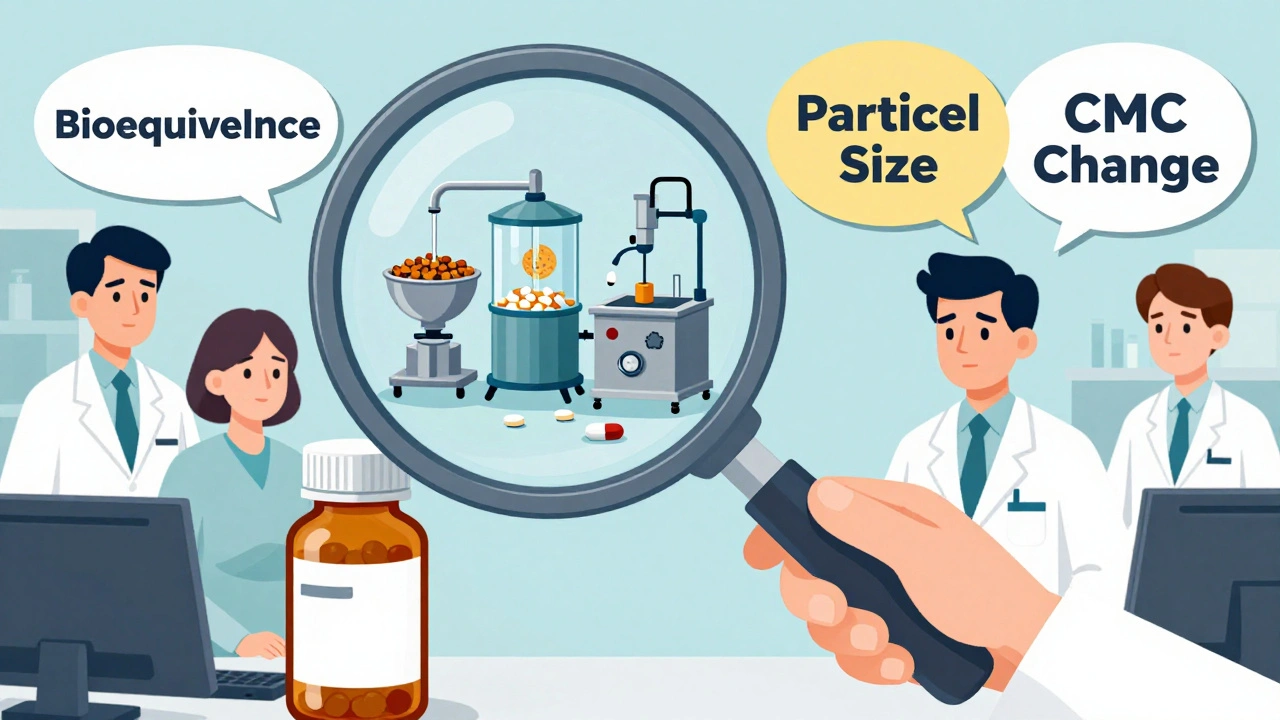
The FDA doesn’t just check the active ingredient. They require generics to match the brand-name drug in strength, dosage form, route of administration, and most importantly, bioequivalence, how quickly and completely the drug enters your bloodstream. For most drugs, that’s straightforward. But for medicines with a narrow therapeutic index, where even tiny differences in absorption can cause serious side effects—like levothyroxine, warfarin, or seizure meds—the standards are even tighter. That’s why your doctor might stick with one brand of generic, or why switching between generics isn’t always harmless.
It’s easy to assume all generics are the same. They’re not. The FDA inspects manufacturing sites, reviews chemical stability, and tests batches before approval. But the pills you get from one pharmacy might come from a different factory than the ones from another. That’s legal. It’s not a red flag. But if you’re on a critical medication and notice a change in how you feel after switching—fatigue, dizziness, or a flare-up—it’s not in your head. It could be a difference in inactive ingredients or how the tablet breaks down. That’s why some people stick with one generic brand, or ask for the brand name if their insurance allows it.
Behind every FDA generic approval is a long paper trail: the ANDA, the Abbreviated New Drug Application that generics must file to prove they’re interchangeable. It doesn’t need new clinical trials because the brand-name drug already proved safety. But it does need to prove it performs the same way in your body. The FDA has rejected over 1,000 generic applications in the last five years alone because they didn’t meet the standard. That’s not a failure—it’s a safeguard.
What you’ll find in the posts below are real stories, science, and practical advice about how generics work, why they sometimes don’t feel the same, and how to make sure your medication does what it’s supposed to. Whether you’re managing thyroid disease, high blood pressure, or just trying to save money on prescriptions, this collection gives you the facts—not the marketing.
Learn what manufacturing changes trigger FDA re-evaluation for generic drugs, how the approval system works, and how new programs are cutting review times. Essential for manufacturers, pharmacists, and healthcare professionals.