
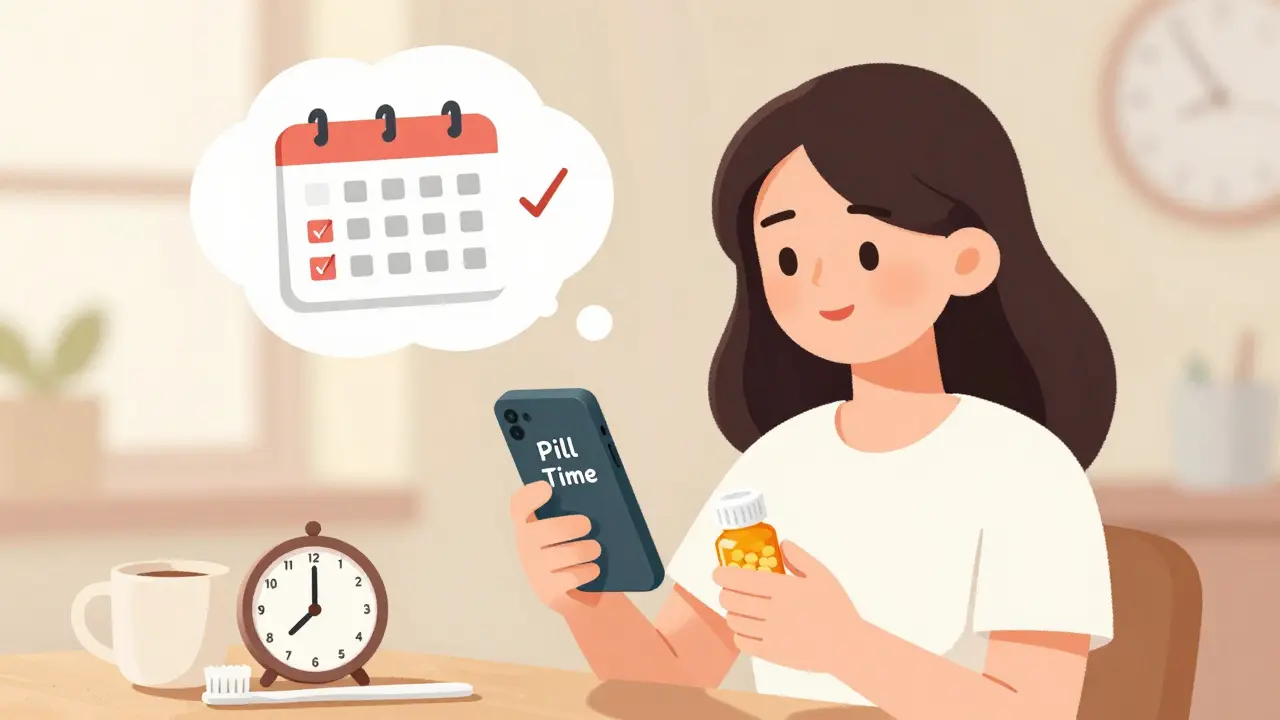
Birth control pills are one of the most common ways women prevent pregnancy - but they’re not as simple as just taking a pill every day. If you’ve ever missed a dose and panicked, or wondered why your doctor picked one brand over another, you’re not alone. The truth is, birth control pills work great - if you use them exactly right. But life happens. You forget. You get sick. You start a new antibiotic. And suddenly, the numbers change.
How Effective Are Birth Control Pills Really?
The numbers you hear - 99% effective - are misleading. That’s the perfect use rate. It means if 100 women take the pill at the same time every single day, without missing a single one, less than 1 will get pregnant in a year. Sounds perfect, right? But real life isn’t perfect. Most people don’t take it at the exact same time every day. Maybe you sleep in. Maybe you’re traveling. Maybe you forget because you’re stressed. That’s typical use. And in typical use, the failure rate jumps to about 7%. That means 7 out of 100 women using the pill will get pregnant in a year. Compare that to an IUD or implant - both are over 99% effective even with typical use. No forgetting. No timing. Just set it and forget it. That’s why experts say if you’re under 21, or your life is unpredictable, a long-acting method might be safer. Pills require discipline. And discipline is hard when you’re juggling work, school, or kids. There are two main types of pills: combined pills (estrogen + progestin) and progestin-only pills (mini-pills). Combined pills are more forgiving. If you’re an hour late, you’re probably still protected. Mini-pills? You have a 3-hour window. Miss that, and your protection drops fast. That’s why most doctors start people on combined pills unless they can’t take estrogen - maybe because of migraines with aura, high blood pressure, or a history of blood clots.What Are the Most Common Side Effects?
When you start the pill, your body is adjusting to synthetic hormones. It’s not a glitch - it’s a normal reaction. Most side effects fade within 2 to 3 months. The top three side effects:- Nausea - Especially in the first few weeks. Taking the pill with food or at bedtime helps.
- Breast tenderness - Feels like your breasts are swollen. Usually goes away. If it doesn’t, talk to your provider about switching progestin types.
- Bleeding between periods - Spotting is super common, especially in the first few months. It’s not dangerous, just annoying. If it lasts longer than 3 cycles, ask about changing the dose.
Which Medications Can Make the Pill Less Effective?
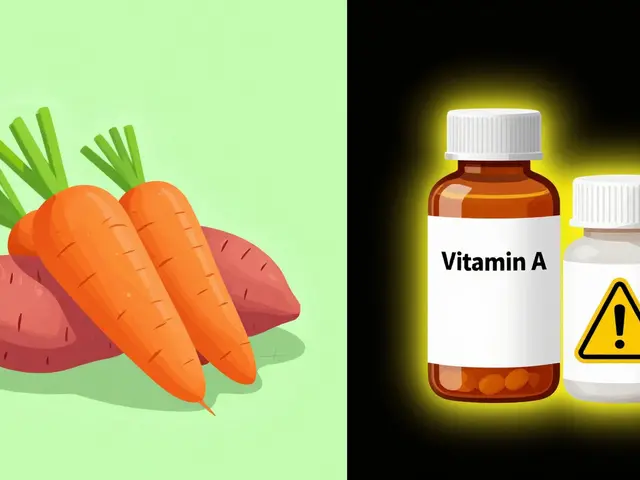
This is where things get tricky. Many people don’t realize that common drugs can mess with your birth control. Antibiotics: Only one - rifampin (used for tuberculosis) - is proven to reduce pill effectiveness. Most other antibiotics, like amoxicillin or azithromycin, do NOT interfere. But if you’re on rifampin, use a backup method like condoms. Anti-seizure drugs: Carbamazepine, phenytoin, barbiturates, and topiramate can speed up how your body breaks down hormones. If you take these, talk to your doctor. You may need a higher-dose pill or switch to a non-hormonal method. HIV meds: Some antiretrovirals, especially protease inhibitors and non-nucleoside reverse transcriptase inhibitors, can lower hormone levels. Again, backup contraception is key. St. John’s Wort: This herbal supplement - often used for mild depression - is a big one. It speeds up hormone metabolism. Even a small dose can make the pill fail. Don’t mix them. Grapefruit juice: It doesn’t make the pill less effective, but it can raise estrogen levels in your blood. That might increase side effects like nausea or breast tenderness. Not dangerous, but worth noting. Always tell your doctor or pharmacist you’re on birth control before starting any new medication - even over-the-counter ones. A quick check can prevent an unwanted pregnancy.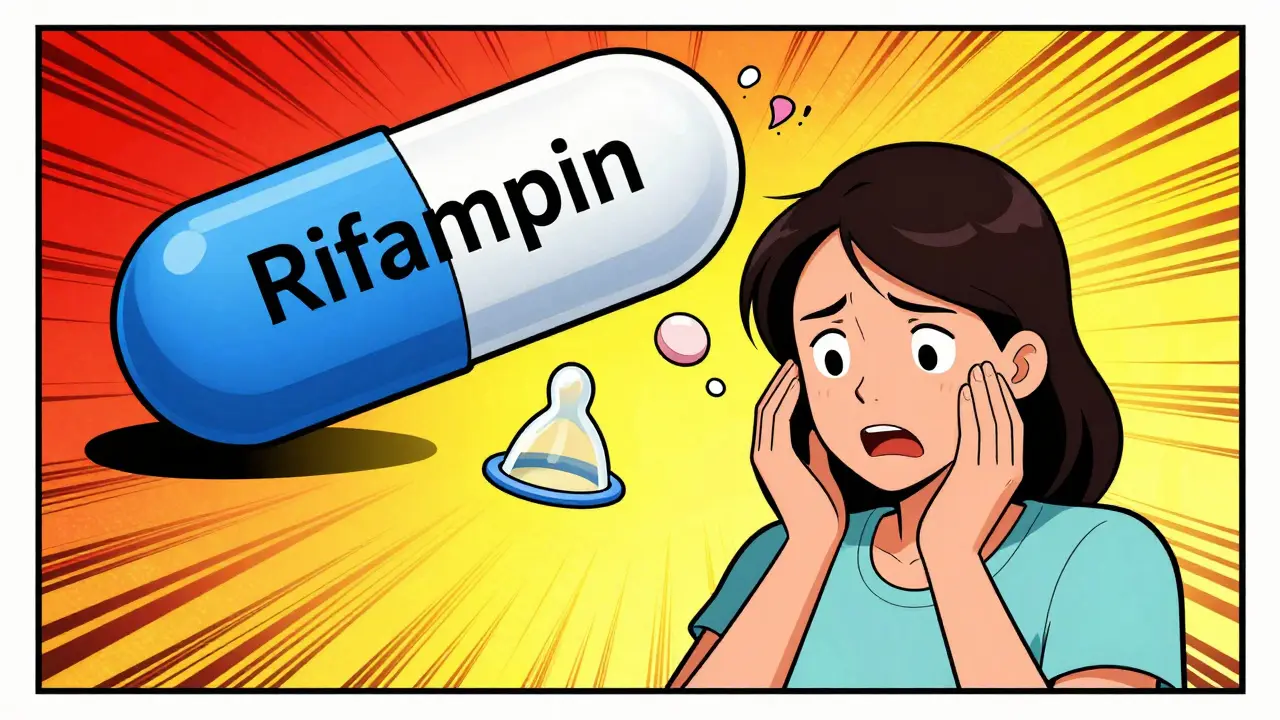
Non-Contraceptive Benefits You Might Not Know About
Birth control pills aren’t just for preventing pregnancy. They’re used to treat a range of health issues.- Regular periods - If your cycle is unpredictable or super heavy, the pill can make it predictable and lighter.
- Less PMS and PMDD - Many women report fewer mood swings, bloating, and irritability.
- Clearer skin - Pills with drospirenone (like Yaz or Beyaz) are FDA-approved to treat acne in women 14 and older.
- Lower cancer risk - Long-term use (5+ years) cuts endometrial cancer risk by 50%, ovarian cancer by 27%, and colon cancer by 18%. These benefits last for years after you stop.
- Manage endometriosis and PCOS - The pill reduces pain and bleeding in both conditions by suppressing ovulation and thinning the uterine lining.
What Happens When You Stop?
Some women worry they’ll be infertile after stopping. That’s not true. Studies show 97% of women get their period back within 90 days of quitting the pill. Fertility returns quickly - often within the first month. There’s no “waiting period.” You can get pregnant right away. If your period doesn’t come back after 3 months, see your doctor. It could be stress, weight changes, or another condition like PCOS. But it’s rarely because the pill “damaged” your fertility.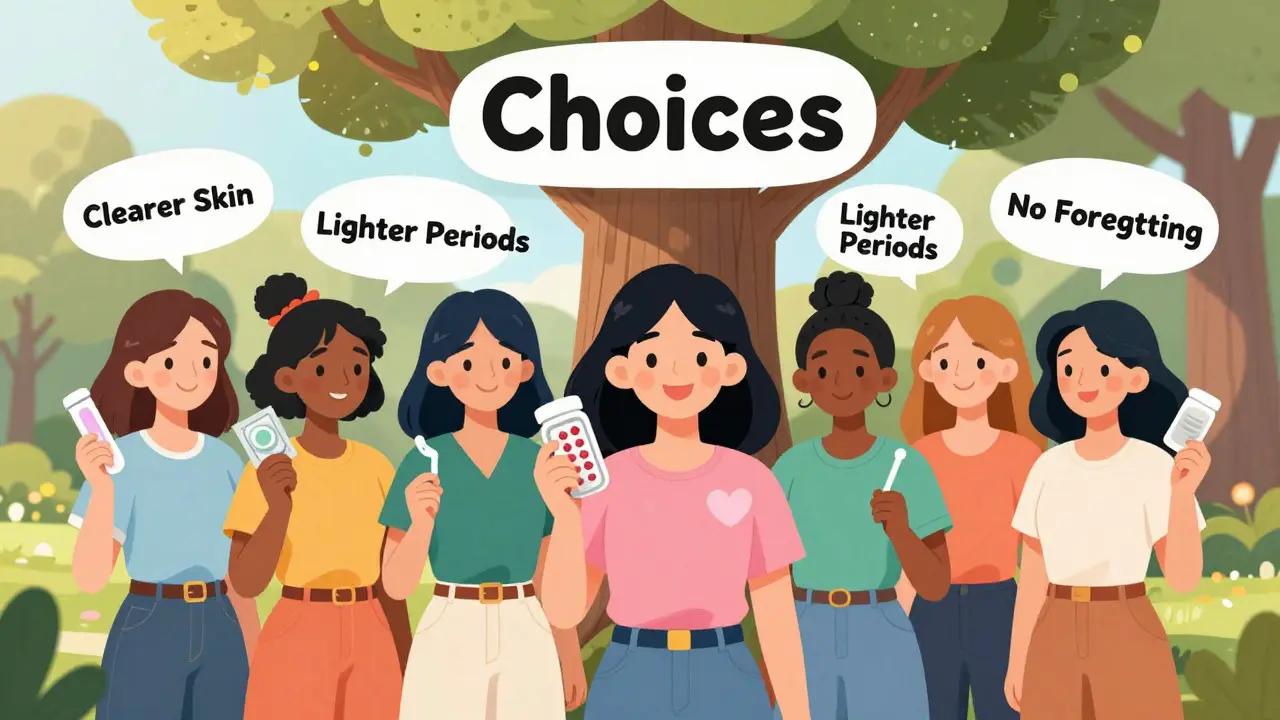
Who Should Avoid Birth Control Pills?
Not everyone is a candidate. You should not take combined pills if you:- Smoke and are over 35
- Have a history of blood clots, stroke, or heart attack
- Have uncontrolled high blood pressure
- Have certain types of migraines (with aura)
- Have breast cancer or liver disease
- Are pregnant or suspect you might be
How to Use Birth Control Pills Right
If you want the pill to work, you need to treat it like a daily habit - like brushing your teeth.- Take it at the same time every day. Set a phone alarm.
- If you miss one pill: Take it as soon as you remember. If it’s more than 24 hours late, use condoms for the next 7 days.
- If you miss two or more pills: Take the most recent missed pill and skip the others. Use backup for 7 days. If you had unprotected sex in the last 5 days, consider emergency contraception.
- If you’re sick with vomiting or diarrhea: Treat it like a missed pill. Use backup for 7 days.
- Start a new pack on time. Don’t delay. Even a 1-day delay can reduce effectiveness.
- Use condoms anyway. The pill doesn’t protect against STIs.
Is the Pill Right for You?
Ask yourself:- Can I take a pill every day without fail?
- Do I want the non-contraceptive benefits (like clearer skin or lighter periods)?
- Do I have any health conditions that make estrogen risky?
- Am I okay with a 7% chance of pregnancy if I mess up?
Birth control pills changed women’s lives. They gave us control over our bodies, our careers, and our futures. But they’re not the easiest method. They demand consistency. And if you can’t give that, another option might be better - and safer.
Can birth control pills cause weight gain?
Most studies show no significant weight gain from birth control pills. Any increase is usually less than 5 pounds and often due to water retention, not fat. If you notice persistent weight gain, it may be linked to other factors like diet, stress, or an underlying condition like PCOS. Switching to a different progestin type can sometimes help.
Do birth control pills protect against STIs?
No. Birth control pills only prevent pregnancy. They offer zero protection against sexually transmitted infections like chlamydia, gonorrhea, or HIV. Using condoms every time you have sex is the only way to reduce your risk of STIs - even if you’re on the pill.
How long does it take for the pill to start working?
If you start the pill on the first day of your period, you’re protected right away. If you start at any other time, you need to wait 7 days before having unprotected sex. Use condoms during that first week. This applies to both combined pills and mini-pills.
Can I skip my period on the pill?
Yes. Many women skip the placebo pills and start a new pack right away to avoid bleeding. This is safe for most people and often used to manage conditions like endometriosis or heavy periods. Talk to your doctor about the best way to do it with your specific pill brand.
What should I do if I vomit after taking the pill?
If you vomit within 2 hours of taking the pill, treat it like a missed dose. Take another pill as soon as possible. If vomiting continues, use backup contraception (like condoms) for the next 7 days. Diarrhea can have the same effect - if it lasts more than 24 hours, assume your protection is reduced.


Akshaya Gandra _ Student - EastCaryMS
i just started the pill last month and my skin is already clearer?? like wtf i thought it was gonna make me break out more lol
saurabh singh
in india we dont talk about this enough. my cousin took the pill for acne and her mom thought it made her "loose". stigma is real. but honestly? it changed her life. no more painful periods, no more hiding under baggy clothes. she’s studying engineering now. pills aren’t the enemy. ignorance is.
Dee Humprey
took the pill for 5 years. lost 2 lbs. gained 2 lbs. net zero. the real issue? water retention. and yes, i skipped my period for 8 months straight. no drama. no cramps. just peace. 🌸
Jacob Milano
you’re all being manipulated. Big Pharma wants you dependent. The pill was never meant to be safe-it was designed to keep women docile. Look at the history. They tested it on poor women in Puerto Rico. Now they tell you it’s "fine" if you miss a pill? That’s not a mistake-that’s a trap.
Joseph Snow
Actually, the 7% failure rate is misleading too. Studies show most "failures" are due to women lying about compliance. People say they took it daily-then admit on anonymous forums they skipped it for three days because they "forgot." The real number? More like 12%. And don’t even get me started on St. John’s Wort-half the people I know take it with their pill and wonder why they’re pregnant.
melissa cucic
It’s fascinating how we frame birth control as a personal responsibility, while ignoring systemic barriers: lack of access, cost, misinformation, and the emotional labor of managing hormonal shifts alone. The pill isn’t just a chemical-it’s a social contract. And if we’re asking women to be perfect with it, shouldn’t we also demand perfect healthcare access, education, and support? The 7% failure rate isn’t a flaw in behavior-it’s a flaw in design.
Aaron Mercado
STOP. JUST STOP. You people are glorifying a chemical castration device. The pill alters your brain chemistry, your mood, your natural cycles-your very essence! And now you’re telling people to skip periods? That’s not freedom-that’s suppression! And don’t even mention the cancer risks! You think 50% less endometrial cancer makes up for the increased risk of breast cancer? Wake up! This isn’t medicine-it’s control!
John Wilmerding
While the preceding comments reflect a spectrum of perspectives, it is imperative to emphasize that clinical guidelines from the CDC and WHO affirm the safety and efficacy of combined oral contraceptives when prescribed appropriately. The data regarding drug interactions, particularly with antiepileptics and rifampin, are robust and well-documented. Moreover, the non-contraceptive benefits-such as reduced ovarian cancer risk and regulation of menstrual pathology-are not ancillary; they are clinically validated therapeutic outcomes. For patients with contraindications to estrogen, progestin-only modalities remain a viable, evidence-based alternative. Consistency in administration, coupled with provider-patient dialogue, remains the cornerstone of successful hormonal contraception.