Safe Travel Medications: What to Pack and How to Use Them Wisely
When you’re traveling, safe travel medications, prescription and over-the-counter drugs used to prevent or treat common travel-related health issues. Also known as travel health kits, these are not just extras—they’re essential for avoiding trips derailed by sickness, discomfort, or emergencies. Whether you’re flying across the country or hiking in the mountains, your body faces new germs, climates, and stressors. Knowing what to pack—and what to leave behind—can make all the difference.
One of the most common problems travelers face is traveler’s diarrhea, a digestive upset caused by contaminated food or water, often from E. coli or other bacteria. It’s not just about taking loperamide when things go wrong. Prevention matters more. Pack oral rehydration salts, probiotics, and maybe even an antibiotic like azithromycin if you’re heading to a high-risk area. But don’t self-prescribe—talk to your doctor first. Some meds, like certain antihistamines, can raise blood pressure or make you drowsy in ways that aren’t safe on long flights or while driving abroad. And don’t forget: medication safety, how you store, carry, and take your drugs while traveling. Keep pills in original bottles with labels. Never pack them in checked luggage. Carry a copy of your prescriptions. If you’re on thyroid meds, blood pressure pills, or insulin, timing and temperature matter. Heat, humidity, and time zone changes can throw off your routine.
Altitude sickness, motion sickness, ear pressure from flying, and even jet lag all have medication options—but they’re not one-size-fits-all. For ear pressure, simple techniques like chewing gum or using special earplugs often work better than pills. For jet lag, melatonin can help reset your clock, but only if taken at the right time. And if you’re on antidepressants or taking herbal supplements like Rhodiola, mixing them with new meds or altitude can trigger dangerous reactions like serotonin syndrome. You don’t need to avoid travel—you just need to plan smarter.
Many people assume that if a drug works at home, it’ll work the same on the road. But your body reacts differently under stress, dehydration, or new diets. A painkiller that helps your back at home might not be safe if you’re dehydrated in the desert. A sleep aid might leave you groggy when you need to be alert for a flight. That’s why knowing your own body and your meds is more important than any checklist. Check for interactions. Know your allergies. Ask your pharmacist if your meds are okay with local water or food.
Below, you’ll find real-world advice from people who’ve been there—how to handle drug shortages mid-trip, what to do when your blood pressure meds run low, how to avoid dangerous herb-drug combos, and how to use visual dosing tools so you never miss a dose. These aren’t theory pieces. They’re practical, tested tips from travelers, patients, and doctors who’ve seen what happens when things go wrong—and how to stop it before it starts.
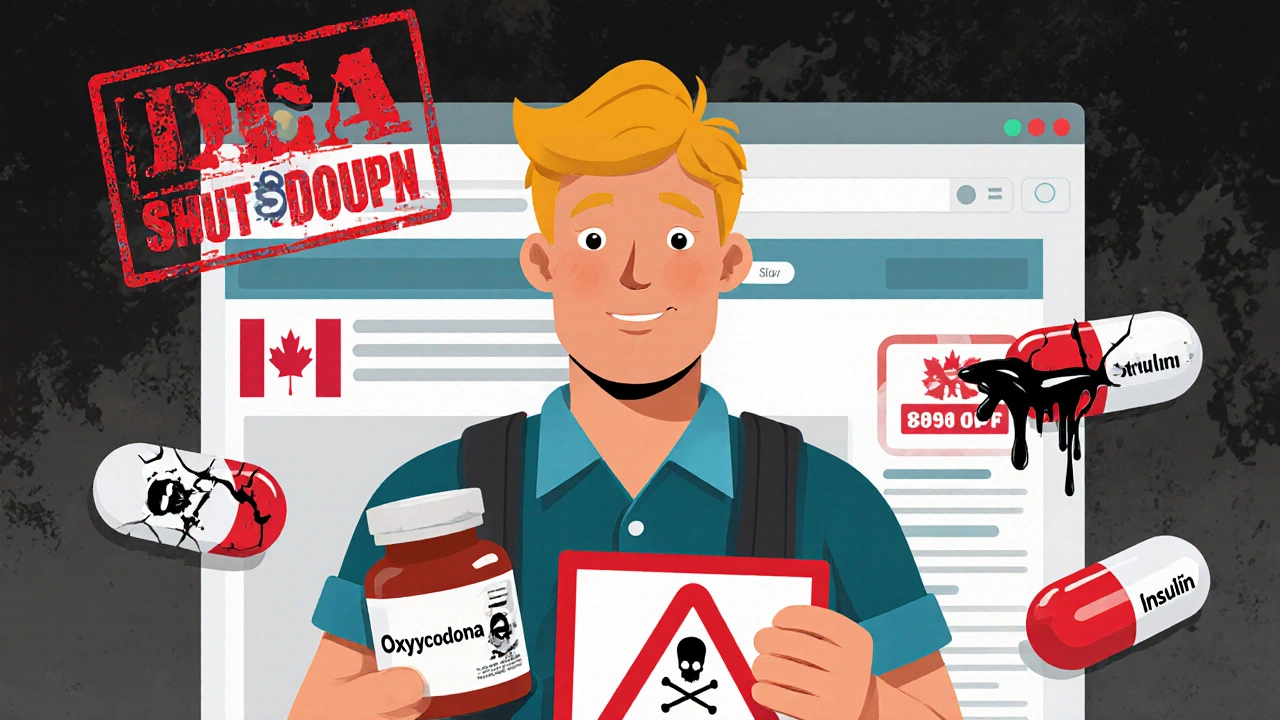
Learn how to avoid dangerous counterfeit medications when buying drugs abroad or online. Discover the red flags of illegal pharmacies, real-life risks, and how to find safe, legal sources for your prescriptions.