
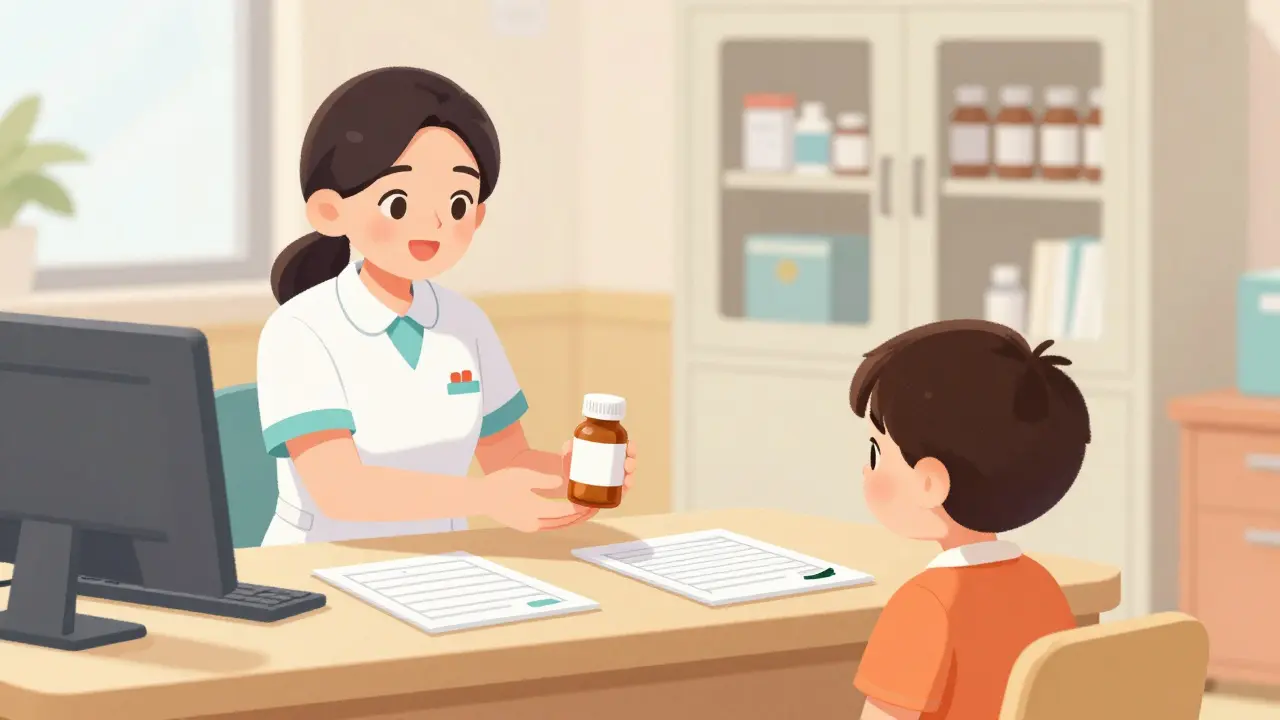
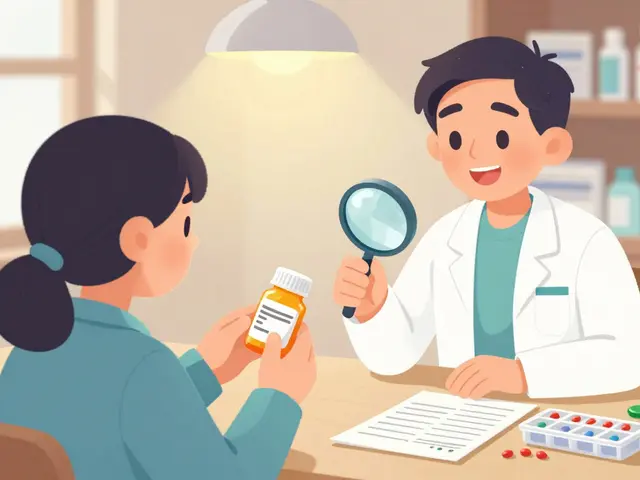
Every morning, thousands of parents hand over a small pill bottle, inhaler, or liquid medicine to their child with a quiet hope: school medications will be given correctly, on time, and without error. But what happens when that child walks through the school doors? Who checks the label? Who remembers the dose? Who makes sure it’s the right kid getting the right medicine?
The truth is, schools aren’t pharmacies. They’re classrooms. But for kids with asthma, diabetes, ADHD, seizures, or even seasonal allergies, school is where medicine becomes part of the daily routine. And that’s why clear, simple, and strict rules exist-not to make life harder for parents, but to keep children safe.
What Parents Must Do Before School Starts
You can’t just send a medicine bottle with your child. Schools don’t accept medications dropped off by students. It’s not about distrust-it’s about safety. Every medication must be delivered by a parent or guardian directly to the school nurse or designated health office. This isn’t a suggestion. It’s the law in most states.
Before the first day of school, you’ll need two things: a completed authorization form and the medicine itself. The form must be signed by both you and your child’s doctor. It’s not enough to write a note. The form must include:
- Your child’s full name
- The exact name of the medication
- The dose (e.g., 5 mL, 1 tablet, 2 puffs)
- The route (oral, nasal, inhaler, injection)
- The time it should be given (e.g., “before lunch,” “every 6 hours”)
- The duration (how long the medication is needed)
- Potential side effects to watch for
- The doctor’s name, license number, and contact info
Many schools require this form to be renewed every year. Some, like New York State, even require the doctor’s license number to be printed on the form. Don’t skip this step. Without it, your child won’t get their medicine-even if it’s life-saving.
How Medications Are Stored and Handled
Medicines aren’t left on a desk or in a backpack. Schools store them securely. All prescription and over-the-counter meds must be in their original, labeled containers. No Ziploc bags. No pill organizers. No unlabeled bottles.
Refrigerated medicines-like insulin or some biologics-must be kept between 2°C and 8°C (36°F-46°F) in a locked fridge that’s separate from food. This isn’t optional. It’s a standard set by the National Association of School Nurses. The fridge should only be accessible to trained staff.
Locked cabinets, not drawers. Keys or codes, not open access. Even common meds like ibuprofen or allergy pills must be stored this way. Why? Because a child could accidentally take someone else’s medicine. Or worse-someone could take it on purpose.
And here’s something many parents don’t realize: if your child needs to carry their own medicine-like an EpiPen or inhaler-the school requires a separate permission form. In New York and California, students must demonstrate they know how to use it correctly under supervision before they’re allowed to self-administer. It’s not just about trust. It’s about skill.
The Five Rights of Safe Medication Administration
School nurses follow a simple but powerful checklist called the “Five Rights.” If you understand these, you’ll know exactly what to expect-and what to demand.
- Right student - The nurse checks the name on the form against the child’s ID or photo. No assumptions.
- Right medication - The label on the bottle matches the form. Not the bottle you bought last week. Not the one from the pharmacy with a different color.
- Right dose - A teaspoon isn’t a tablespoon. A pill split in half isn’t half the dose unless the doctor wrote it.
- Right route - An oral pill can’t be crushed and put in a drink unless the doctor says so. An inhaler isn’t meant to be swallowed.
- Right time - Medication can be given up to 30 minutes before or after the scheduled time unless the doctor says otherwise. But if it’s “take every 4 hours,” that means every 4 hours-not “whenever I remember.”
These aren’t just rules. They’re safeguards. Research from HealthyChildren.org shows that schools using this system reduce medication errors by up to 75%.

What Happens If Your Child Refuses or Has a Reaction?
It happens. Kids get scared. They don’t want to stand out. They hate the taste. Or they’re having a bad day.
Schools have protocols for this. If your child refuses to take their medicine, the nurse won’t force them. Instead, they’ll contact you immediately. In some districts, they’ll try again later in the day. In others, they’ll wait for your call.
And if your child has a reaction-rash, vomiting, trouble breathing, dizziness-you need to be notified right away. Schools are required to document every reaction, no matter how small. If your child has a history of reactions, make sure the school has an emergency plan on file.
Don’t wait for the school to call you. If you notice a change in your child’s behavior, sleep, appetite, or mood at home-call the school. Even if you think it’s unrelated. A 2024 study from the American Academy of Pediatrics found that 18% of medication errors happened because parents didn’t report changes at home.
End-of-Year Cleanup: Don’t Forget This Step
When school ends, your job isn’t done. Unused medications don’t stay in the school. Not even for summer.
Frederick County Schools and New York State both require parents to pick up all leftover medicine by August 31. No exceptions. No “I’ll get to it later.” Schools don’t store meds over summer. They don’t transfer them to next year’s records. They dispose of them properly.
Why? Because expired meds lose potency. And old bottles can get mixed up. One parent thought their child’s ADHD meds were still good for next year-until the new nurse found a bottle labeled “June 2023.” The medicine was useless. And the child went without treatment for weeks.
Bring a bag. Go to the nurse’s office. Take everything. Even the empty inhalers. Even the half-used bottles. It’s not messy. It’s necessary.
What’s Changing in 2026
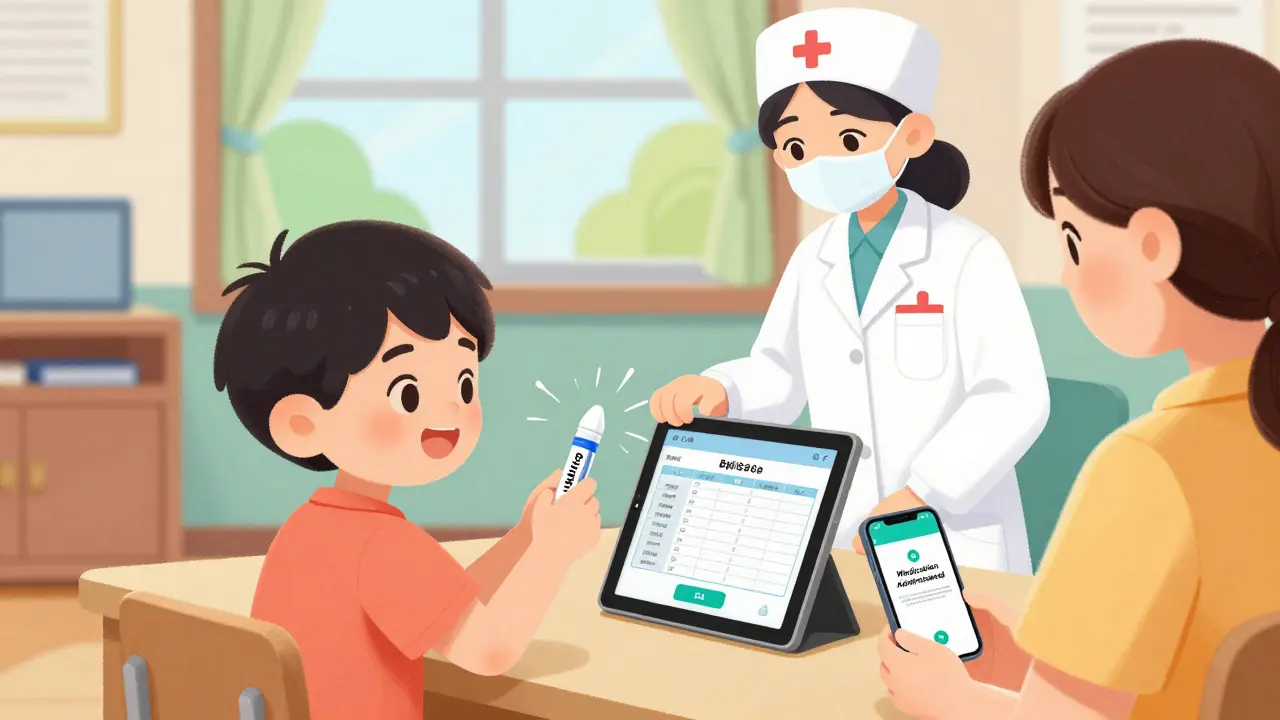
Technology is making school medication administration safer. Over 89% of public schools now use electronic records (eMARs) instead of paper logs. That means fewer mistakes from handwriting, lost forms, or forgotten signatures.
In California and Massachusetts, some schools are testing apps that send you a text or push notification every time your child takes their medicine. Early results show a 27% drop in parent calls asking, “Did they take it today?”
By 2028, some districts plan to use biometric verification-like a fingerprint or facial scan-to confirm the right student is getting the right medicine. It sounds high-tech, but it’s just the next step in preventing errors.
And the need is growing. Mental health medications are up 23% in schools since 2022. Auto-injectors for food allergies and autoimmune conditions are becoming more common. Schools are adapting. But they can’t do it without you.
Your Role: The Most Important Link
School nurses are trained. They’re careful. But they’re not mind readers.
You are the bridge between your child’s doctor and the school. You know what’s happening at home. You know if your child is sleeping better, acting differently, or complaining about side effects. You know if the medicine tastes awful or if they’ve been skipping doses because they’re embarrassed.
Communication is your superpower. Call the school if anything changes. Double-check the form every year. Don’t assume they remember. Don’t assume the nurse will notice a label change. Don’t wait for them to ask.
The goal isn’t perfection. It’s safety. And you’re not just a parent. You’re part of the team that keeps your child alive, healthy, and learning.
What to Do If Something Goes Wrong
If your child missed a dose because the school didn’t give it, or if they got the wrong medicine, document everything. Write down the date, time, medication, and what happened. Contact the school nurse immediately. Then call your doctor. If the issue isn’t resolved, you have the right to file a complaint with your state’s Department of Education.
The U.S. Department of Education received 127 complaints about school medication errors between 2019 and 2023. The most common? Failure to administer as prescribed. And the second? Incomplete paperwork.
Don’t be silent. Be prepared. Be loud if you need to be.

Jessie Ann Lambrecht
Just wanted to say thank you for laying this out so clearly. My daughter has severe peanut allergies and her EpiPen is her lifeline. I used to panic every morning thinking she’d forget it or someone would mess up. Now I know exactly what to expect - and what to demand. Schools are doing better, but it’s still on us to stay vigilant. You’re right: we’re not just parents, we’re part of the team. 💪
Vince Nairn
So let me get this straight - you can’t send your kid with their own meds but you can send them with a 200-page form signed by seven people and a notarized affidavit from their third cousin? Sounds like a government bingo card. 🤷♂️
Ayodeji Williams
Bro this is so relatable 😭 I’m from Nigeria and here we just give the kid the meds and say ‘pray for them’ 🙏😂 My cousin’s son got the wrong dose because the nurse thought ‘5ml’ meant ‘a spoonful’ - she used a soup spoon 😅 But hey at least he’s alive right? 🤷♂️
Kyle King
Wait… biometric scans? Facial recognition in schools for ADHD meds? 😳 This is how they start tracking us. Next thing you know, they’ll be scanning your kid’s retina before they get a Tylenol. Who’s behind this? Big Pharma? The CDC? The Illuminati? I’ve seen the documents. They’re already linking medication logs to school funding. Don’t let them normalize this. This is Step One of the Child Control Initiative. 🚨
Kamlesh Chauhan
why do schools even do this like its a prison system? my brother got his insulin in a ziploc once and nothing happened he lived to be 30. all this paperwork is just to make nurses feel important. they dont even do half of it anyway. just give the kid the pill and move on
Emma Addison Thomas
I’ve seen this play out in UK schools too - the bureaucracy is almost identical. What’s heartening is how consistently the nurses uphold the standards, even when parents are frustrated or overwhelmed. It’s not about control. It’s about preventing a single avoidable tragedy. I’ve had parents cry because they missed the deadline - and the nurse still held the line. That’s quiet heroism.
Mina Murray
Correction: The study you cited from HealthyChildren.org? It’s from 2018. The 75% error reduction was in pilot districts with full-time nurses - not average public schools. Also, ‘eMARs’ are not foolproof. I work in IT. I’ve seen systems glitch, auto-fill wrong names, and sync across districts. And don’t get me started on the 2028 biometric thing - that’s not safety, that’s surveillance capitalism wrapped in a stethoscope. Also, ‘dose’ is misspelled as ‘dose’ in the form example. Just saying.
Rachel Steward
Let’s be real - this whole system is performative safety. You think the nurse actually checks the label against the form every single time? Or that the locked cabinet isn’t just a prop for the state inspector who comes once a year? The real issue is underfunded schools, overworked nurses, and parents who don’t read the fine print until their kid’s in the ER. This isn’t a guide to safety - it’s a guide to liability management. The ‘Five Rights’ sound noble, but they’re just legal cover for a broken system. We’re treating medication like a military operation because we’ve abandoned the social contract to care for each other. And now we’re outsourcing parenting to a nurse who’s paid $45k a year and has 400 kids on her roster. This isn’t safety. It’s systemic neglect dressed in a lab coat.
Christine Joy Chicano
I love how you emphasized the end-of-year cleanup. My son’s school actually mailed me a reminder last June - with a prepaid shipping label. I didn’t even know they did that. Took me 10 minutes to drop off three half-used bottles and two expired inhalers. It felt weird, but also… kind of empowering? Like I was finally doing my part. I wish more schools did this proactively. And the idea of getting text alerts when meds are given? That’s genius. My phone buzzes every morning now - it’s the only thing that makes me feel like I’m not completely detached from the school day. Thank you for highlighting this.
Adam Gainski
Great breakdown. I’m a school nurse in Ohio and I can confirm - the forms are tedious, but they save lives. Last year, a kid came in with a bottle labeled ‘Adderall’ but the form said ‘Vyvanse’. The bottle was right - the form was wrong. We called the mom, she realized she’d switched prescriptions but never updated the school. That’s why we need the doctor’s signature. Also, the biometric thing? It’s not sci-fi. We’re testing it with EpiPens next year. One kid had a reaction last year because he was mistaken for his twin. Twins. Same grade. Same name. Different meds. That’s not paranoia. That’s Tuesday.