Quick Summary
- Patient Risk: Shortages lead to skipped doses, delayed surgeries, and a 43% increase in medication errors.
- Financial Toll: Hospitals spend nearly $900 million annually on extra labor to manage these gaps.
- High-Risk Areas: Oncology, anesthesia, and antimicrobial drugs are the most frequently impacted.
- Systemic Cause: Over 83% of shortages affect generic drugs due to low profit margins for manufacturers.
The Real-World Cost to Patients
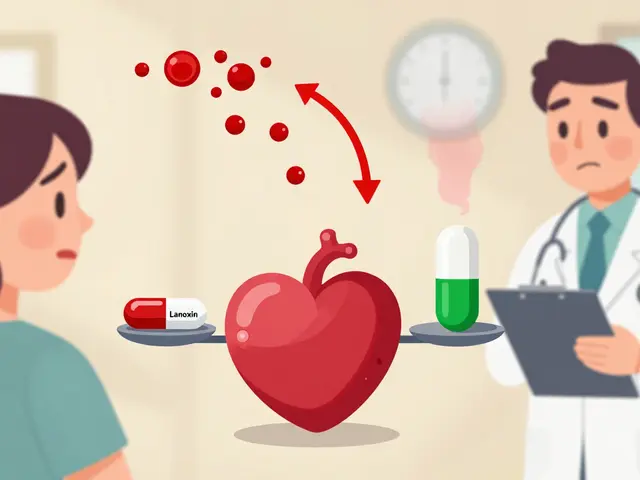
When a drug disappears from the market, the impact isn't just a bit of inconvenience. It's a direct threat to clinical outcomes. According to research from the National Institutes of Health (NIH), shortages often drive patients to skip doses or use less medication than prescribed. For someone managing a chronic condition, this can mean a sudden relapse or a critical failure in treatment.
The danger is most acute in specialty care. In oncology, where precision is everything, the lack of specific chemotherapy agents can delay treatment by 7 to 14 days. In a battle against cancer, two weeks is an eternity. Similarly, when anesthesia drugs run low, surgical centers are forced to use alternative protocols. For example, shortages of Heparin-a critical anticoagulant-have previously forced cardiac surgery centers to adopt new methods that increased procedure times by 22%, adding risk to every single patient on the table.
Beyond the clinical risk, there is a heavy financial burden. Patients often see their out-of-pocket costs jump by nearly 19% during shortage periods, as they are forced to pay for more expensive brand-name alternatives when generics vanish.
Why Your Medicine Is Missing
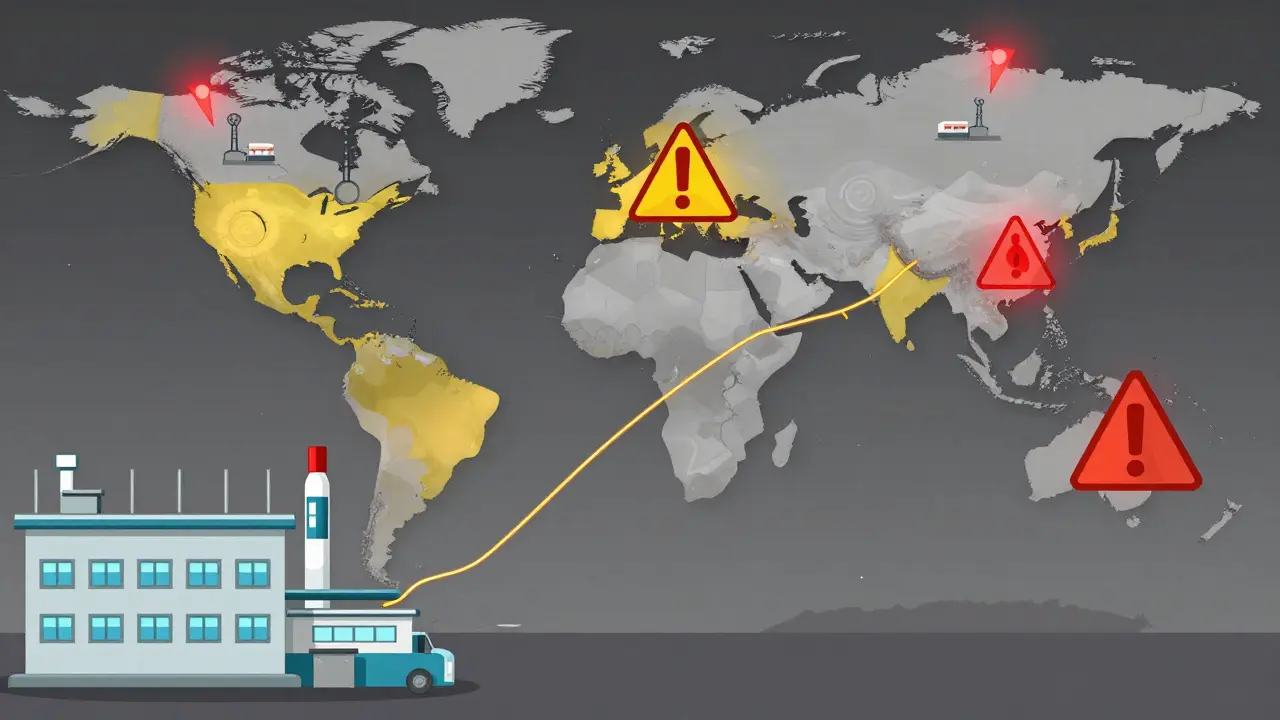
You might wonder why a modern society can't keep a basic drug in stock. The truth is that our Pharmaceutical Supply Chain is incredibly fragile. A huge portion of the world's generic drugs are made in a few concentrated geographic hubs. If a factory in India or China has a quality control failure, the entire U.S. supply can evaporate overnight.
The economics of the industry also play a role. Most shortages hit generic drugs because they are low-margin. Pharmaceutical companies have very little incentive to invest in the production of a drug that sells for pennies, meaning one single manufacturing glitch can trigger a national shortage. The FDA has noted that manufacturing quality issues and raw material unavailability are primary drivers, accounting for roughly 53% of shortage cases combined.
| Driver | Estimated Impact | Core Issue |
|---|---|---|
| Global Supply Chain Fractures | 47% | Dependence on overseas manufacturing |
| Manufacturing Quality Issues | 32% | FDA warning letters or plant shutdowns |
| Raw Material Unavailability | 21% | Lack of active pharmaceutical ingredients (API) |
The Burden on Healthcare Providers
When a drug is unavailable, the work doesn't stop-it just gets harder. Hospital pharmacists and doctors have to pivot instantly. This process, known as Therapeutic Substitution, involves finding a different drug that performs a similar function. However, the substitute isn't always as effective or as safe as the original.
This creates a massive administrative nightmare. Hospitals spend an average of 15 to 20 labor hours per week per shortage just to monitor supply, find alternatives, and rewrite protocols. Pediatric facilities hit even harder; they spend 25% more time on this because kids require precise, weight-based formulations that are harder to substitute than adult doses.
The risk of human error skyrockets during these transitions. Data shows a 43% increase in medication errors directly linked to shortages. When staff are forced to use a drug they aren't familiar with, or when a pharmacy has to manually compound a medication because the ready-made version is gone, the margin for error shrinks.
How Hospitals Are Fighting Back
Healthcare systems aren't just sitting ducks. Many have turned to Group Purchasing Organizations (GPOs) like Vizient to gain better visibility into the supply chain. By pooling their buying power and sharing data, hospitals can spot a shortage coming before the shelves are empty.
Some of the most effective internal strategies include:
- Shortage Management Committees: Dedicated teams of doctors and pharmacists who decide on approved substitute drugs *before* a crisis hits.
- Automated Monitoring: Using software to track inventory levels in real-time across multiple sites.
- Onshoring: A growing trend where 78% of hospital systems plan to bring the production of critical medications back to the U.S. to avoid overseas disruptions.
Despite these efforts, the sheer volume of shortages is overwhelming. The American Society of Health-System Pharmacists (ASHP) tracked an all-time high of 323 active shortages in early 2024. While that number dipped to 253 by mid-2025, it remains far higher than pre-pandemic levels.
What This Means for You and Your Care
If you or a loved one are relying on a medication that is currently in short supply, the best defense is proactive communication. Don't wait until your last pill is gone to check with your pharmacist. Ask your doctor if there is a clinically equivalent alternative that you can be transitioned to early, rather than in an emergency.
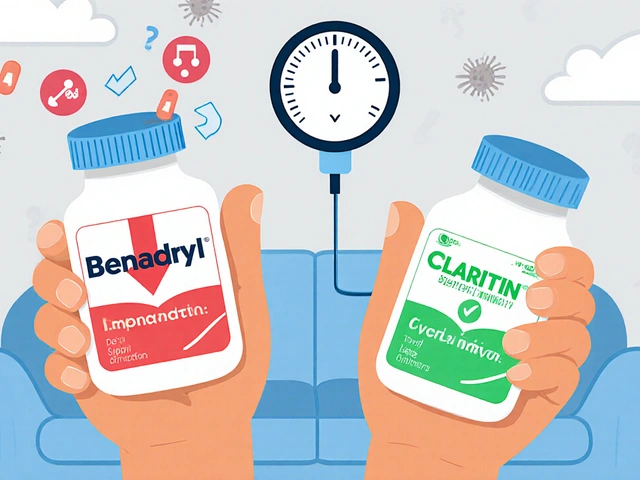
It's also important to be aware that "alternative protocols" might mean a change in how you receive your medicine-perhaps switching from an IV drip to an oral tablet. While this can be convenient, always ask your provider if the alternative is as effective for your specific condition.
Why are generic drugs more likely to be in shortage?
Generic drugs have much lower profit margins than brand-name drugs. Because pharmaceutical companies make very little money on them, they have less incentive to invest in backup manufacturing plants or maintain large stockpiles, making the supply chain fragile.
Does a drug shortage always mean a worse health outcome?
Not always. In some cases, therapeutic substitution leads to a drug that is equally or even more effective. However, for many critical medications-especially in oncology and anesthesia-the substitutes may be less effective or carry a higher risk of side effects.
What is the government doing to stop these shortages?
The FDA implemented the Drug Shortage Electronic Registration and Notification Act of 2022. This requires manufacturers to notify the government six months before a potential shortage occurs, allowing hospitals more time to prepare.
How can I tell if my medication is officially in shortage?
The American Society of Health-System Pharmacists (ASHP) maintains the most comprehensive official tracking database for drug shortages. Your pharmacist or doctor should have access to this data to help you plan your treatments.
What should I do if my pharmacy says my drug is unavailable?
First, ask the pharmacist if they can source it from another location or a different wholesaler. If not, contact your prescribing physician immediately to discuss a therapeutic substitute or a dose adjustment to make your remaining supply last longer.
Next Steps for Patients and Providers
If you are a patient, start a conversation with your healthcare team about your "critical medications." Identify which ones are essential and which can be swapped if necessary. This reduces the panic and risk when a shortage occurs.
For healthcare administrators, the focus must shift from reactive sourcing to proactive resilience. This means moving beyond a "lowest cost" procurement model and instead prioritizing suppliers with diversified manufacturing footprints. Reducing the reliance on a single global source is the only way to stop the cycle of scarcity.