Antihistamines and Blood Pressure: What You Need to Know for Safe Use
Not all antihistamines affect blood pressure the same way. Learn which ones are safe for high blood pressure, which to avoid, and how to monitor your readings safely.

When your nose runs, your eyes itch, or you break out in hives, antihistamines, a class of drugs that block histamine, a chemical your body releases during allergic reactions. Also known as allergy pills, they’re one of the most common over-the-counter remedies used daily by millions. But not all antihistamines are created equal. Some knock you out. Others mess with your memory. And a few might be hiding in plain sight—in your cold medicine, sleep aid, or even bladder pill.
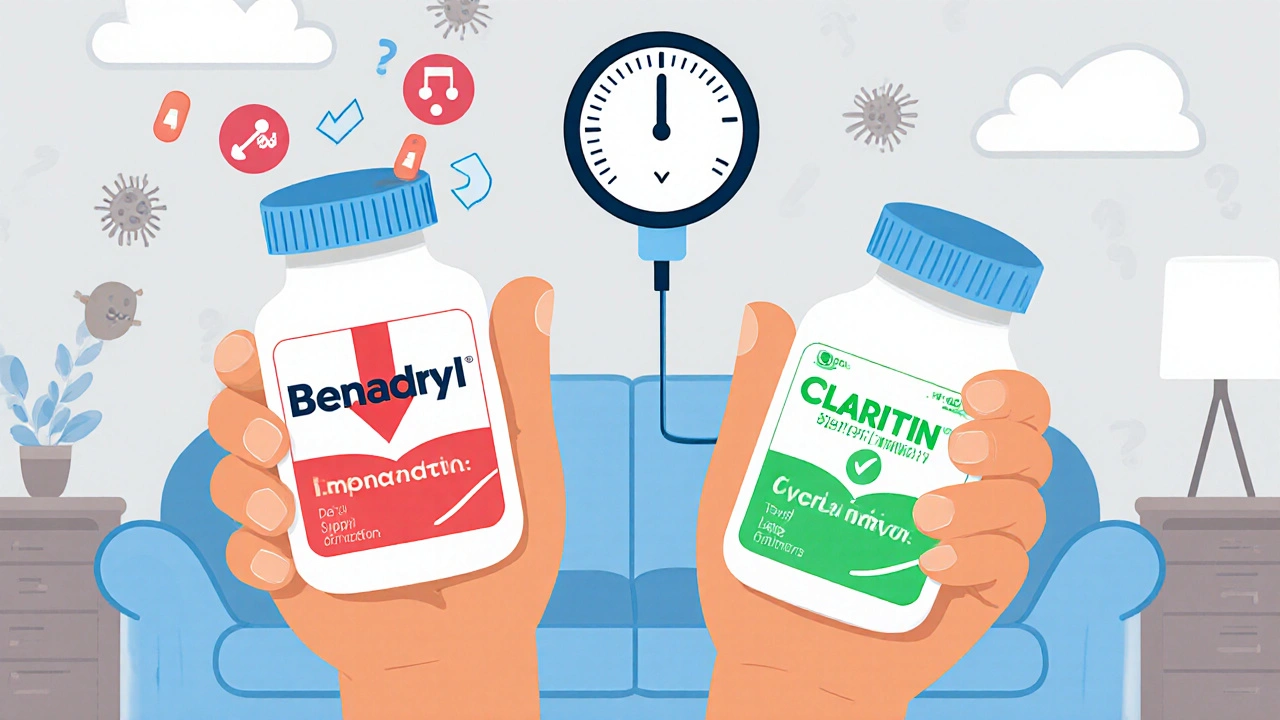
Take benadryl, a first-generation antihistamine often used for allergies and sleep. Also known as diphenhydramine, it’s cheap and fast-acting—but it crosses into your brain and blocks acetylcholine, a key neurotransmitter. That’s why older adults taking it often feel foggy, forgetful, or confused—symptoms that look like dementia but aren’t. Studies show this effect is real and reversible when you stop the drug. Same goes for many bladder medications, sleep aids, and even some stomach remedies. These are all anticholinergic drugs, a group that includes many older antihistamines and shares the same brain-blocking mechanism. If you’re over 60, or caring for someone who is, knowing which meds contain these ingredients could be the difference between clear thinking and unnecessary decline.
Second-generation antihistamines like loratadine, cetirizine, and fexofenadine don’t cross the blood-brain barrier as easily. That means less drowsiness, fewer mental side effects, and better safety for long-term use. But even these aren’t perfect. Some people still feel tired. Others get dry mouth or headaches. And if you’re taking other meds—like thyroid pills, antibiotics, or diabetes drugs—antihistamines can interact in ways you wouldn’t expect. Timing matters. Food matters. Your liver matters.
What you’ll find below isn’t just a list of articles. It’s a practical guide to navigating the hidden risks and real benefits of antihistamines and the drugs they often hide with. You’ll learn how to spot medication side effects that mimic aging, why some allergy pills are riskier than others, and what safer alternatives exist. Whether you’re managing seasonal allergies, dealing with unexplained confusion in an older relative, or just trying to avoid a bad reaction, these posts give you the facts—not the fluff.
Not all antihistamines affect blood pressure the same way. Learn which ones are safe for high blood pressure, which to avoid, and how to monitor your readings safely.