
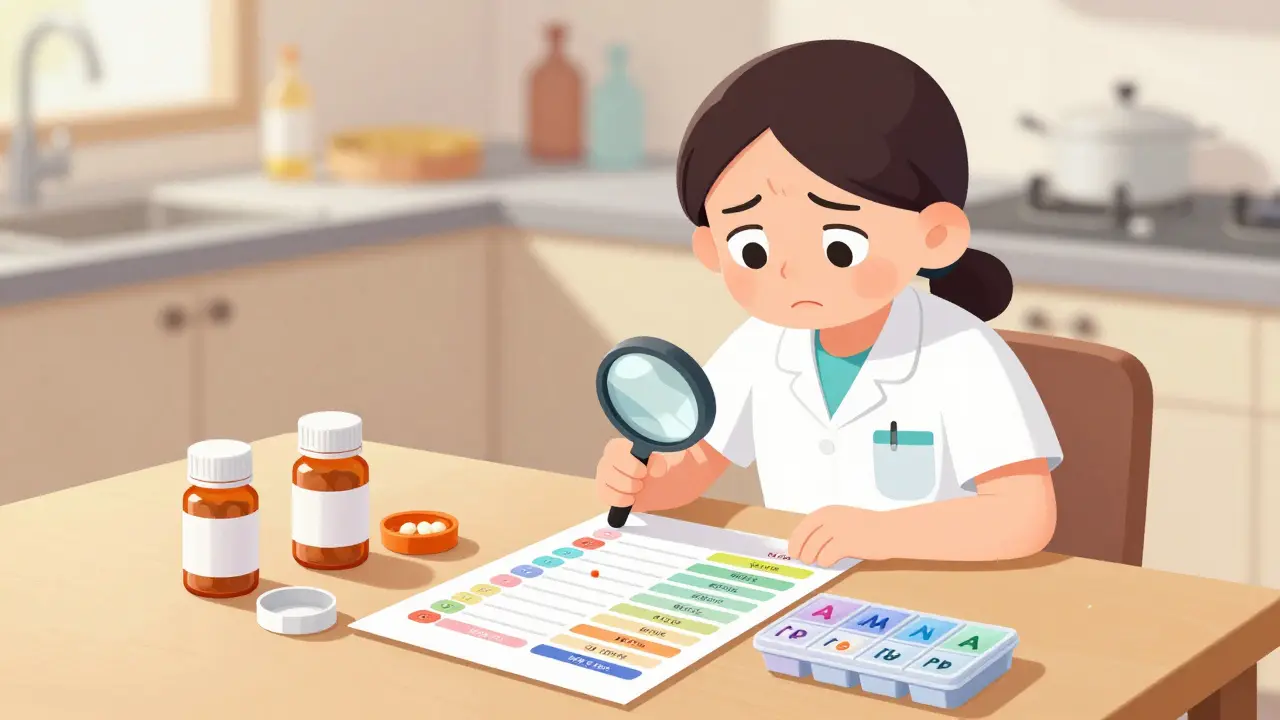
Every year, over 1.5 million people in the U.S. are harmed by medication errors - and most of those happen at home, not in hospitals. If you’re caring for an aging parent, a child with chronic illness, or someone with dementia, you’re not just helping with daily tasks. You’re the last line of defense against deadly mistakes. A missed dose. A wrong pill. A drug interaction you didn’t know about. These aren’t hypotheticals. They’re real risks - and they’re preventable.
Why Medication Errors Happen at Home
Most people assume hospitals are the most dangerous place for medication mistakes. But the truth is, 80% of home-based patients rely on family caregivers to manage their drugs. And that’s where things go wrong. One common problem? Polypharmacy. That’s when someone takes five or more medications daily. Nearly half of adults over 65 fall into this category. Each extra pill increases the chance of side effects, interactions, or accidental overdoses. The Beers Criteria, used by doctors nationwide, lists 30 drugs that are too risky for older adults - like benzodiazepines for sleep or proton pump inhibitors for heartburn - yet they’re still prescribed far too often. Another big issue? Confusing labels. Look-alike, sound-alike drug names like hydroXYZINE and hydroCORTISONE cause 15% of reported errors. A caregiver might grab the wrong bottle in a hurry - especially if the labels are small or faded. And handwritten prescriptions? They’re still out there. The Ontario Caregiver Centre found that 37% of errors start because a doctor’s handwriting was unreadable. Then there’s the care transition gap. When someone leaves the hospital, they often come home with new meds, changed doses, or discontinued drugs. But families rarely get clear instructions. Dr. Joanne Lynn’s research shows 62% of medication errors happen right after discharge. No one explains what changed. No one checks if the new pills match the old list. That’s how someone ends up taking two blood pressure pills instead of one - and ends up back in the ER.The Essential Medication List: Your First Line of Defense
The single most powerful tool you have is a complete, up-to-date medication list. Not a napkin. Not a note in your phone. A real, printed, organized list. Here’s what it must include for every single medication:- Brand name and generic name (e.g., Lisinopril / Zestril)
- Exact dosage (e.g., 10 mg tablet, not just "1 pill")
- How often to take it (e.g., "once daily at 8 AM", not "take in the morning")
- Why it’s prescribed (e.g., "for high blood pressure", "for arthritis pain")
- Known side effects (e.g., "may cause dizziness or dry mouth")
- Expiration date
- Pharmacy name and phone number
Storage, Measurement, and Expiration: The Small Things That Kill
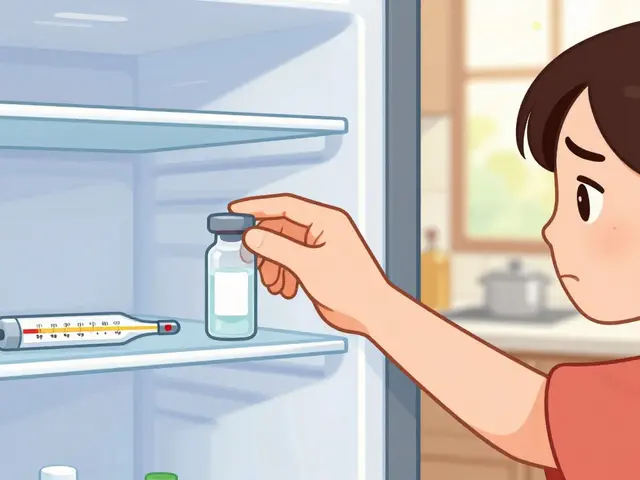
Medications aren’t like groceries. They don’t last forever - and they don’t survive just anywhere. Store pills in a cool, dry place. The ideal temperature is 68-77°F (20-25°C). Don’t keep them in the bathroom cabinet. Humidity turns pills into mush. Don’t leave them in the car. Heat makes some drugs useless - or dangerous. Liquid medications? Never use a kitchen spoon. A 2021 JAMA Pediatrics study found household spoons vary by 20-40% in volume. That means your grandparent might be getting half a dose - or double. Always use the calibrated oral syringe that comes with the medicine. If it’s missing, ask the pharmacy for a new one. They’ll give it to you free. Expiration dates matter more than you think. The FDA reports 90% of caregivers don’t check them regularly. Expired insulin, antibiotics, or epinephrine can be life-threatening. Set a monthly reminder on your phone: "Check meds." Look at each bottle. Toss anything past its date - even if it looks fine.Tools That Actually Work: Pill Organizers, Apps, and Alarms
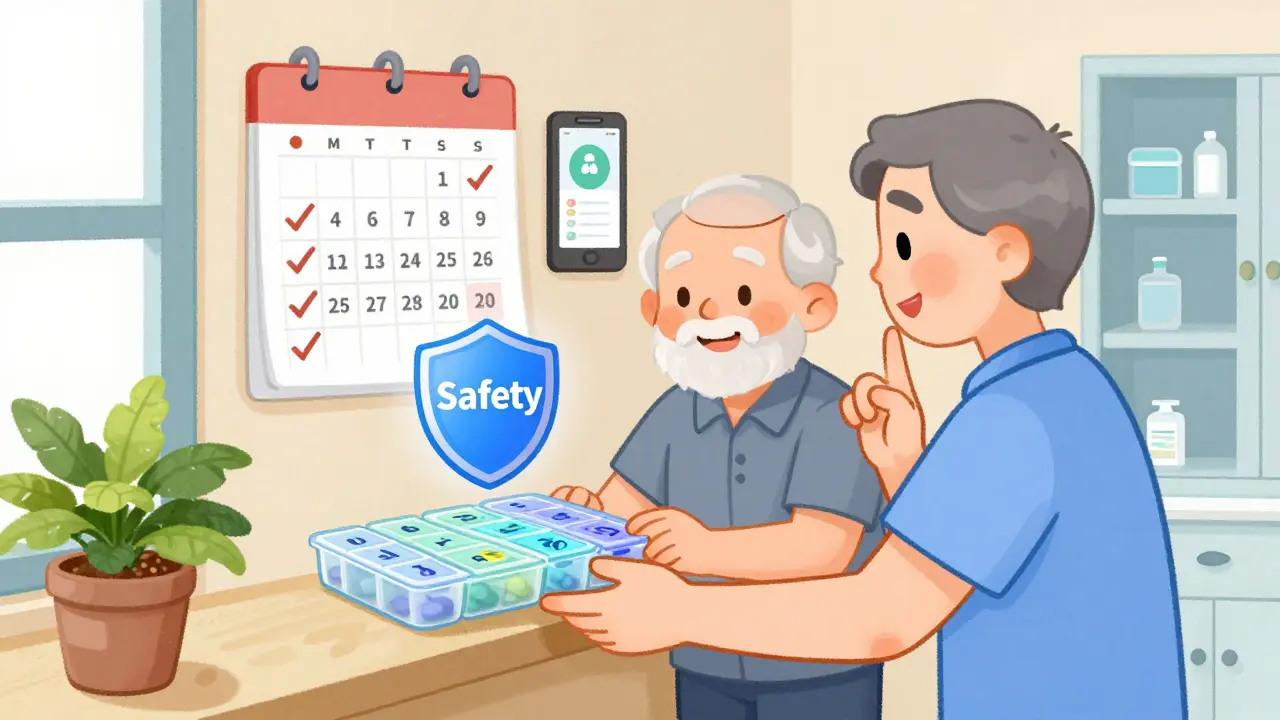
Technology isn’t the enemy - bad technology is. For someone with dementia or memory problems, a seven-day pill organizer with AM/PM compartments is non-negotiable. The Alzheimer’s Association recommends this as standard practice. But don’t just buy any organizer. Get one with a lock if the person might take extra pills. And if they’re forgetful, get one with an alarm. On ALZConnected forums, 63% of caregivers said alarms made the biggest difference in adherence. Digital apps like Medisafe and CareZone send reminders, track doses, and even alert you if a dose is missed. A Caregiver Action Network survey found users reported 32% fewer missed doses than those using paper logs. But if you or your loved one isn’t tech-savvy, don’t force it. A simple printed schedule taped to the fridge works just as well. One caregiver on FamilyCaregiver.org shared: "I used to panic every time I wasn’t sure if Mom took her heart pill. Now I just check the app. It tells me exactly when she took it - and when she didn’t. I sleep better."
Pharmacists Are Your Secret Weapon
Most caregivers don’t realize pharmacists are trained medication experts - and they’re free. Every time you pick up a prescription, spend 15 minutes talking to the pharmacist. Ask:- "Is this new medication safe with the others?"
- "Are there any interactions I should watch for?"
- "Is this the lowest effective dose?"
- "Can we switch to a once-daily version?"
When to Question a Prescription
Not every drug a doctor writes is necessary - especially for older adults. Dr. Michael Steinman’s research shows nearly half of older patients take at least one medication that does more harm than good. Watch for these common overused drugs:- Proton pump inhibitors (like omeprazole) - often prescribed for heartburn but linked to kidney damage and bone fractures with long-term use.
- Benzodiazepines (like diazepam or lorazepam) - used for anxiety or sleep but increase fall risk and confusion in seniors.
- Anticholinergics (like diphenhydramine in Benadryl) - cause memory loss and dizziness. Many OTC sleep aids and allergy pills fall into this category.
Preventing Errors During Transitions
The biggest danger zone? When someone leaves the hospital. That’s when prescriptions change, doses shift, and meds get dropped - and families are left guessing. The CARE Act, now law in 47 states, requires hospitals to give caregivers clear instructions before discharge. But not all hospitals follow it. So take charge:- Ask for a written discharge summary - not just verbal instructions.
- Get a full list of all meds they’re going home with - including what was stopped.
- Take that list to the pharmacist within 24 hours for a review.
- Call the primary care doctor within 3 days to confirm everything matches.
What’s Changing in 2026
The landscape is shifting fast. CVS and Walgreens now offer free medication synchronization - all prescriptions are due on the same day each week. That means one trip to the pharmacy instead of five. Missed doses drop by 39%. New FDA rules require "high-risk medication" warnings on labels for 30 dangerous drugs. Pharmacies are starting to use QR codes on prescription bottles that link to digital safety info - scan it with your phone to see side effects, interactions, and storage tips. By November 2024, the Caregiver Action Network will launch its first-ever Medication Safety Certification Program - a free, evidence-based training for caregivers. It’s designed for the 53 million family caregivers in the U.S. who are doing this work without formal training.Your Action Plan: 5 Steps to Start Today
You don’t need to fix everything at once. Start here:- Make the list. Write down every medication your loved one takes - brand, generic, dose, schedule, reason. Do it now.
- Check the bottles. Toss expired meds. Replace missing syringes. Move pills out of the bathroom.
- Call the pharmacist. Ask for a free MTM review. Schedule it for next week.
- Get an organizer. Buy a seven-day AM/PM pill box. Set an alarm for daily doses.
- Ask one question. At the next doctor’s visit, say: "Is this medication still necessary? Are there safer options?"
Frequently Asked Questions
What should I do if I think my loved one is taking too many medications?
Start by making a complete list of all medications - including over-the-counter drugs, vitamins, and supplements. Take that list to their primary care doctor or pharmacist and ask for a medication review. Many older adults are prescribed drugs that are no longer needed or that interact dangerously. A pharmacist can help identify which ones may be safe to stop. Never stop a medication suddenly without medical advice - some drugs need to be tapered off slowly.
Can I use a pill organizer for all types of medications?
Most pills can go in a standard organizer, but some cannot. Liquid medications, inhalers, patches, and capsules that must be taken on an empty stomach should not be pre-loaded. Some pills lose effectiveness if exposed to air for long periods. Always check with the pharmacist before using an organizer. If in doubt, keep those medications in their original bottles and use the organizer only for stable, daily pills.
How do I know if a medication is expired?
Look for the expiration date printed on the bottle or box - it’s usually labeled "EXP" or "Expires." For liquid antibiotics or insulin, the expiration date is often shorter after opening (e.g., 14 days). If the pill is cracked, discolored, smells strange, or feels sticky, throw it out - even if the date hasn’t passed. The FDA says expired medications can lose potency or break down into harmful substances. When in doubt, ask your pharmacist to dispose of it safely.
What if my loved one refuses to take their meds?
Refusal often comes from side effects, confusion, or fear. Don’t force it. Talk to their doctor about whether the dose can be lowered or switched to a different drug. Sometimes, a once-daily version is easier to manage. If memory is the issue, try a pill organizer with alarms or a voice-activated reminder device. For dementia patients, the Alzheimer’s Association recommends using positive reinforcement - praise them after they take a pill. Never hide pills in food unless the doctor approves - some medications can’t be crushed or mixed.
Are there free resources to help caregivers manage medications?
Yes. Medicare Part D covers free Medication Therapy Management (MTM) for people on eight or more chronic medications. The Caregiver Action Network offers free downloadable medication trackers and checklists. The CDC’s website has a printable Medication Safety Guide for Caregivers. Many pharmacies offer free medication synchronization to reduce the number of trips. Local Area Agencies on Aging often provide free in-home medication reviews by trained staff.



Jennifer Phelps
My mom takes 12 pills a day and I never knew half of them could interact like that
Prachi Chauhan
People treat meds like candy. You don't just pop pills because they're there. It's not about willpower it's about systems. You need lists alarms and someone to hold your hand when the doctor says 'it's fine' but your gut says no
Jose Mecanico
I started using Medisafe after my dad had that near-miss with the blood thinner. It's not perfect but it's way better than the sticky notes on the fridge. Also the pharmacist gave us a free syringe for his liquid meds. Small thing huge difference.
Monica Puglia
Thank you for this. 🙏 My grandma used to keep all her pills in the bathroom and I didn't realize how dangerous that was until now. Just ordered a locked pill organizer with alarms. Also going to call her pharmacist tomorrow. You're right it's free and they're actually helpful 😊
Alex Fortwengler
Of course the system is broken. Big Pharma pushes these dangerous drugs and doctors are paid to prescribe them. The FDA? They're in bed with the corporations. QR codes on bottles? That's just another way to track you. I stopped all my meds after reading this. Let the pills rot. I'm not a lab rat.
Faith Wright
Wow. So we're supposed to be amateur pharmacists now? Thanks for the 5000 word essay on how to not die while trying to help someone. Meanwhile my brother's insurance denied his MTM review because he's 'not on enough meds' even though he's on 11. The system is rigged. I'm exhausted.
George Bridges
This resonated deeply. My sister in Nigeria cares for her mother with diabetes and hypertension. She doesn't have access to pharmacists or apps. But she writes everything down in a notebook with a pencil. She calls the clinic every time something changes. She's not trained. But she's doing everything right. We need to honor that. Not just the tech solutions.
Craig Wright
As a British citizen I find this article alarmingly American-centric. In the NHS we have structured medication reviews conducted by clinical pharmacists. We do not rely on family members to be frontline pharmacists. The burden should not fall on caregivers. The state must provide adequate support. This is not a personal responsibility issue. It is a systemic failure of healthcare policy.
jordan shiyangeni
Let me be clear. You are not doing your loved one any favors by being their 'caregiver.' You are enabling a broken system. You think writing a list or buying a pill organizer makes you a hero? It doesn't. You're just delaying the inevitable. The real solution is to stop medicating elderly people with unnecessary drugs entirely. Stop treating aging like a disease. Let nature take its course. Your guilt is not a valid reason to keep poisoning someone with 12 different chemicals. I've seen this too many times. The drugs are the problem. Not the lack of organization.
Abner San Diego
Yeah I read all this. Then I went to my dad's house. He's got 17 different bottles on his nightstand. Half expired. One's from 2018. He says 'I don't know what they're for.' I asked the doctor. They said 'We've been trying to get him to taper off the benzos for a year.' He's 82. He's not gonna change. Neither is the system. So what's the point? Just tell me how to make him stop yelling at me when I take his pills away.
Eileen Reilly
okay but like… why is this even a thing? why are we putting this on families? i mean i get it but also… the government pays for these drugs so why not pay for someone to actually manage them? like hire a med tech? not a nurse just someone who can read a bottle and say 'hey this one expired'… i'm tired of being a pharmacy assistant with no paycheck
steve ker
Most of this is common sense. Why are we writing articles about this? If you can't manage your parent's pills you shouldn't be their caregiver. End of story. No apps no lists no alarms. Just responsibility. The rest is just noise.