
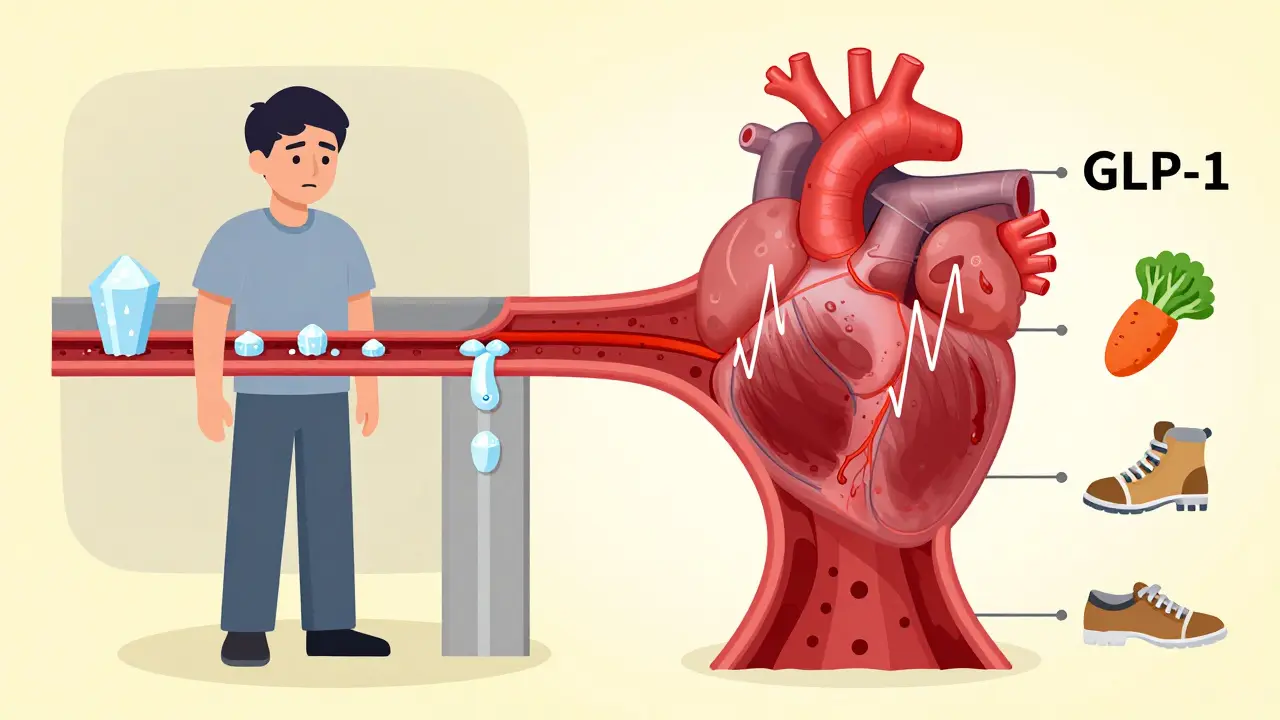
People with type 2 diabetes are two to four times more likely to die from heart disease than those without diabetes. It’s not a coincidence. High blood sugar damages blood vessels over time, making them stiff and prone to plaque buildup. At the same time, many people with diabetes also carry extra weight, have high blood pressure, or struggle with cholesterol - all of which push the heart toward failure. The good news? You don’t have to accept this fate. The science is clear: combining the right medications with real, sustainable lifestyle changes can slash your risk of heart attack, stroke, or death from heart disease - sometimes by more than half.
Why Diabetes and Heart Disease Go Hand in Hand
Diabetes doesn’t just affect your pancreas. It affects your whole body. When blood sugar stays too high for too long, it sticks to the inside of your arteries like glue. This triggers inflammation, narrows blood vessels, and makes clots more likely. Add in insulin resistance - common in type 2 diabetes - and your body starts holding onto fat, especially around your belly. That fat isn’t just sitting there. It releases chemicals that raise blood pressure, worsen cholesterol, and make your heart work harder.
That’s why nearly two out of three people with diabetes die from heart disease or stroke, according to the American Heart Association. It’s not just about sugar. It’s about the ripple effect across your entire cardiovascular system.
The Medication Breakthrough: GLP-1 Receptor Agonists
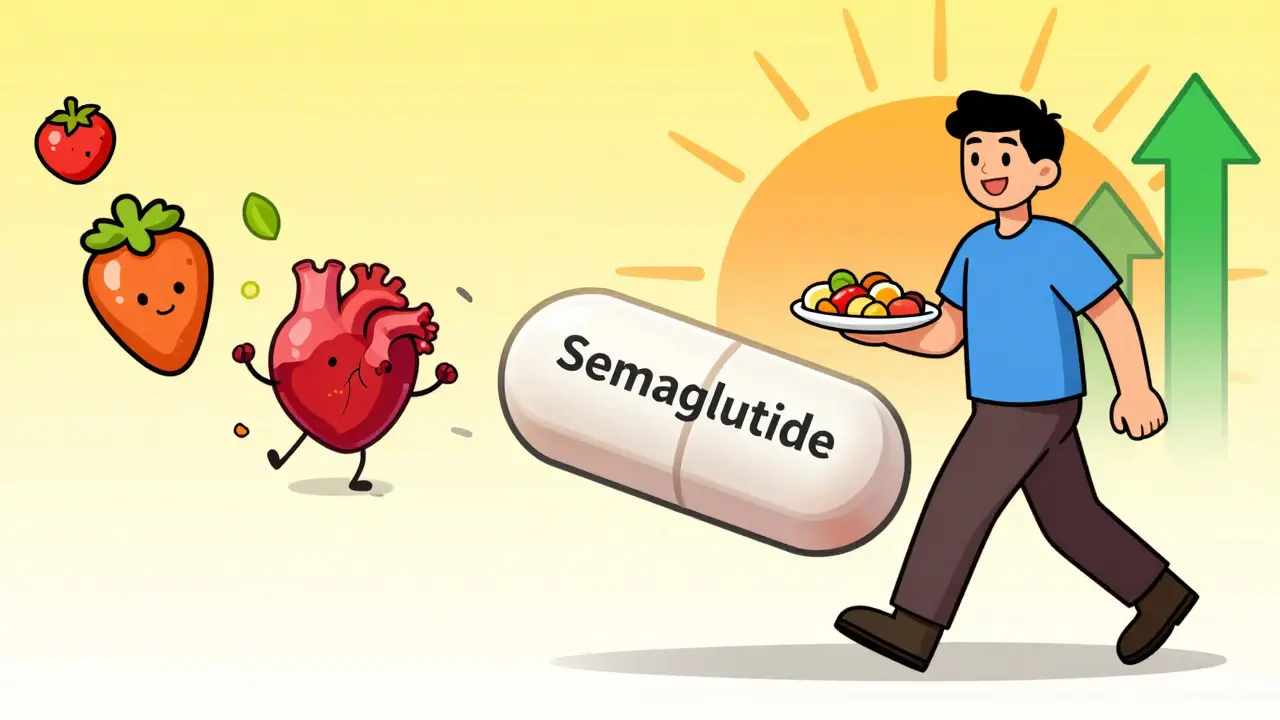
For years, metformin was the go-to drug for diabetes. It helped lower blood sugar, but it didn’t do much for your heart. That changed with the arrival of GLP-1 receptor agonists - drugs like semaglutide (Wegovy, Ozempic) and tirzepatide (Mounjaro, Zepbound).
These aren’t just diabetes pills. They’re heart protectors. They work in three powerful ways:
- They help your body make insulin only when needed - lowering blood sugar without crashing it.
- They slow down digestion, so you feel full longer and eat less.
- They directly reduce inflammation in blood vessels and improve how your heart pumps.
Clinical trials show what this means in real numbers. In the STEP 1 trial, people taking semaglutide at the 2.4 mg dose lost nearly 15% of their body weight on average. In the SURMOUNT-1 trial, tirzepatide helped people lose up to 22.5%. That’s not just weight loss - that’s your heart getting a second chance.
In 2023, the FDA approved Wegovy specifically to reduce heart attack, stroke, and death in adults with heart disease and overweight or obesity. This wasn’t just another drug approval. It was a turning point. For the first time, a weight-loss medication had a formal cardiovascular benefit built into its label.
Lifestyle Isn’t Optional - It’s the Foundation
Medications are powerful, but they’re not magic. The FDA requires that Wegovy be used "in addition to a reduced calorie diet and increased physical activity." Why? Because drugs change your biology. Lifestyle changes change your behavior - and behavior is what keeps you healthy long after the pill is gone.
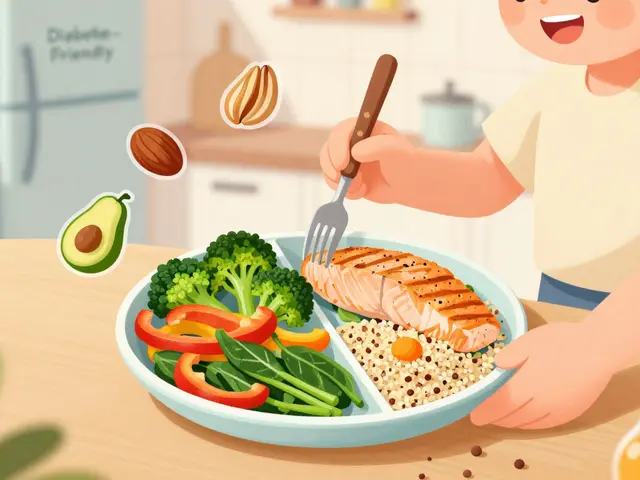
The American Diabetes Association doesn’t push one "perfect" diet. Instead, it points to proven patterns: Mediterranean, DASH, or plant-based eating. These mean:
- Filling half your plate with vegetables and fruits
- Choosing whole grains over white bread or rice
- Getting protein from fish, beans, nuts, or lean poultry instead of processed meats
- Cutting out sugary drinks and added sugars
For movement, you don’t need to run a marathon. The goal is 150 minutes of moderate activity per week - that’s 30 minutes, five days a week. You can break it into 10-minute chunks. Walk after dinner. Take the stairs. Dance while you cook. It adds up.
And it’s not just food and exercise. Sleep matters. Stress matters. Even social connection matters. The CDC says adults who get enough sleep, manage stress, avoid smoking, and stay connected to friends cut their heart disease risk significantly - even without medication.
The Synergy Effect: Together, They Do More
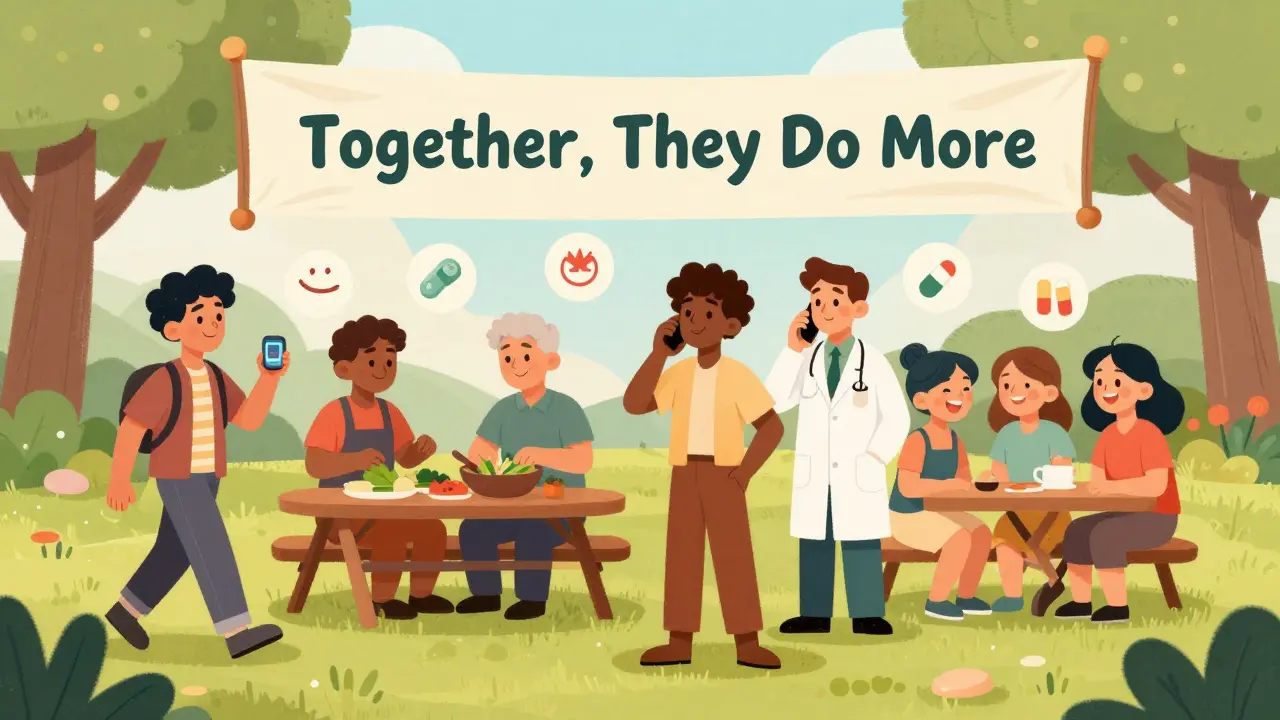
Here’s where it gets powerful. When you combine GLP-1 RAs with lifestyle changes, the results aren’t just added together - they multiply.
A study led by Dr. Xuan-Mai Nguyen at the VA Boston Healthcare System followed veterans with type 2 diabetes. Those who took a GLP-1 RA and followed at least five healthy habits - eating well, moving daily, sleeping enough, not smoking, managing stress - cut their risk of heart attack or stroke by 63%. Those who only took the medication saw a 20% drop. The difference? Lifestyle.
Even the American College of Cardiology’s 2025 guidance now says this: "Patients should not be required to ‘try and fail’ lifestyle changes before starting medication." That’s huge. For years, doctors made people diet and exercise for months before prescribing anything. Now, they’re saying: if you’re at high risk, start the medication and start changing your habits - together.
What About Metformin? Is It Still Enough?
Metformin still has its place. It’s safe, cheap, and helps control blood sugar. But when it comes to protecting your heart, it doesn’t hold up next to GLP-1 RAs.
The LEADER trial showed liraglutide - another GLP-1 RA - reduced major heart events by 13% compared to placebo. Metformin? It doesn’t show that kind of benefit in high-risk patients. That’s why guidelines now recommend GLP-1 RAs for people with diabetes who already have heart disease, or who are at high risk for it - especially if they have overweight or obesity.
And it’s not just about weight. These drugs improve blood pressure, reduce liver fat, and lower inflammation markers like CRP. They’re doing more than just helping you lose pounds - they’re healing your arteries.
Real-World Barriers - And How to Overcome Them
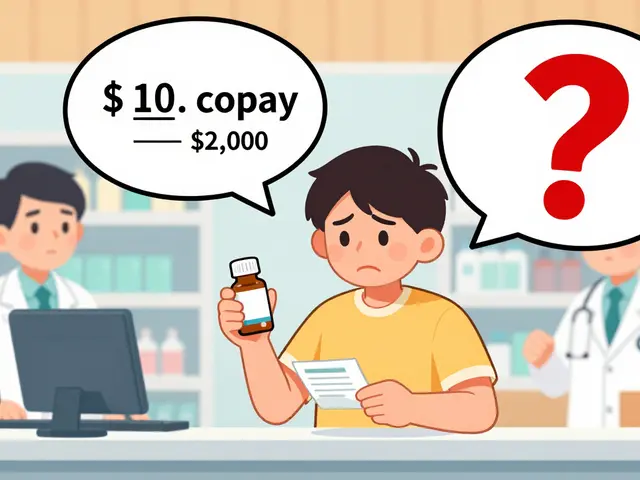
Let’s be honest. These medications aren’t easy to get. Insurance often denies coverage. Out-of-pocket costs can hit $1,000 a month. That’s why only about 2% of eligible patients are currently using them.
But you can still make progress. If you can’t get a GLP-1 RA right now:
- Start with lifestyle. Losing just 5-7% of your body weight (for example, 10-15 pounds if you weigh 200) cuts your risk of heart disease by 20-30%.
- Ask your doctor about generic metformin - it’s still a good first step.
- Use free resources: CDC’s Diabetes Prevention Program offers online coaching. MyPlate.gov gives you meal ideas.
- Join a walking group or community center program. Social support makes habits stick.
And if you do get access to semaglutide or tirzepatide - don’t stop there. Pair it with real changes. The medication gives you the metabolic edge. Your habits give you the long-term shield.
What’s Next? The Future Is Personalized
Researchers are already building tools to predict who will benefit most from which treatment. Some people respond better to weight loss. Others need stronger blood pressure control. Some need help with cravings. The next wave of care won’t be one-size-fits-all. It’ll be matched to your body, your life, and your risks.
By 2030, experts predict GLP-1 RAs will be standard for anyone with diabetes and heart risk - not as a last resort, but as part of the first line of defense. And when they’re paired with structured lifestyle programs, they could reduce diabetes-related heart deaths by up to 15%.
The message isn’t complicated: you don’t have to choose between medication and lifestyle. You need both. And the sooner you start, the more your heart will thank you.



Stephanie Paluch
This hit me right in the feels. I’ve been living with type 2 for 8 years and honestly thought my heart was just done for. Knowing I can actually turn it around with meds + small changes? I’m crying. 🥹❤️
Sabrina Sanches
I started semaglutide 6 months ago and lost 22 lbs without trying. My BP dropped from 145/92 to 118/76. No magic just science and consistency. You got this.
tynece roberts
so like i read this whole thing and honestly i was like wait wait wait so its not just about cutting sugar?? like i thought diabetes = no sweets and thats it but nooo its like your whole body is on fire?? and the meds dont just make you skinny they actually fix your insides?? mind blown. also i think i need to start dancing while cooking lol
Hugh Breen
THIS. IS. A. REVOLUTION. 🌟 People keep acting like lifestyle changes are some kind of moral test. NO. They’re tools. Medications are tools. You don’t shame someone for using a wheelchair-you help them get one. Same here. Start the drug. Start the walk. Start the meal prep. Do it ALL. Your future self will hug you.
Byron Boror
Why are we letting Big Pharma sell us this as some miracle cure? Everyone’s just gonna skip diet and exercise and wait for the next Ozempic injection. This is a scam wrapped in science. Americans think a pill fixes everything. Wake up.
Lorna Brown
There’s a deeper layer here. We treat diabetes as a personal failure, but the environment-food deserts, work stress, lack of sleep, systemic neglect-is the real disease. Medications help the individual. But policy changes? That’s how we heal the population.
Rex Regum
I’m sorry but if you’re obese and have diabetes, you chose this. No one forced you to eat 4 pizzas a week. Stop blaming the system. Take responsibility. The meds are just a bandaid. Real change? It’s called discipline. You want to live? Stop being lazy.
Kelsey Vonk
I think about how much shame people carry around this. I lost my mom to a heart attack at 52. She was diabetic. She never felt like she deserved to be helped. If this post helps even one person feel less alone... that’s worth more than any stat.
Emma Nicolls
i just started walking after dinner and its changed everything. not because im losing weight but because i can breathe again. also im using myplate.gov and its actually kinda fun? like i made a rainbow plate today 🌈🥦🍎🍗