Autoimmune Thyroid Disease: Causes, Symptoms, and How Medications Affect You
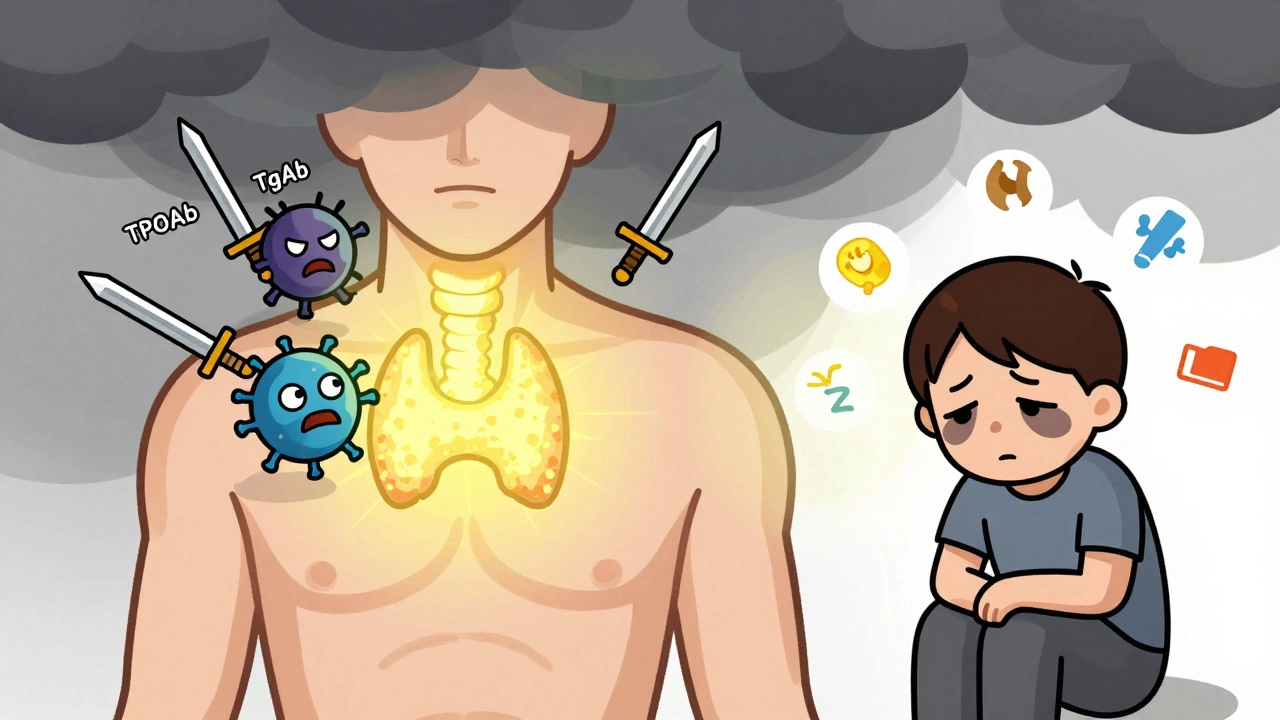
When your immune system turns against your thyroid, you’re dealing with autoimmune thyroid disease, a condition where the body attacks the thyroid gland, leading to either too much or too little hormone production. Also known as Hashimoto’s thyroiditis or Graves’ disease, it’s the most common reason people end up on thyroid medication for life. Unlike temporary thyroid issues, this isn’t just a glitch—it’s a long-term battle your body fights on its own.
Two main types exist: Hashimoto’s, where the thyroid gets slowly destroyed, leading to hypothyroidism, and Graves’ disease, where the gland is overstimulated, causing hyperthyroidism. Both can cause fatigue, weight changes, mood swings, and brain fog—but the treatments are completely different. Hashimoto’s usually means you need to replace thyroid hormone, often with levothyroxine, a synthetic version of the T4 hormone your body no longer makes. Graves’ might need antithyroid drugs, radioactive iodine, or even surgery.
Here’s the catch: levothyroxine isn’t like taking a regular painkiller. Even tiny changes in how your body absorbs it can throw your whole system off. That’s why switching between generic brands—even if they’re FDA-approved—can cause your TSH levels to spike or drop. People with autoimmune thyroid disease are especially sensitive. One study showed nearly 1 in 4 patients had trouble stabilizing their levels after switching generics. Your thyroid doesn’t care if the pill costs less—it only cares if it works the same way today as it did yesterday.
That’s why so many posts here focus on medication safety: how labels mean more than you think, why manufacturer savings programs don’t always help with thyroid drugs, and how combination pills or dosing tools can make a real difference. You’ll also find warnings about drug interactions—like how protein-rich meals can block levothyroxine absorption, or how certain antibiotics and supplements interfere with thyroid function. This isn’t just about taking a pill. It’s about understanding how your body reacts, what to watch for, and how to avoid mistakes that could make you feel worse.
Whether you’re newly diagnosed or have been managing this for years, the right information can save you from unnecessary symptoms, lab tests, and doctor visits. Below, you’ll find real-world advice on getting the right dose, spotting hidden side effects, avoiding dangerous drug swaps, and working with your pharmacy to keep your treatment stable. No fluff. Just what actually matters when your thyroid is on the line.
Hashimoto’s thyroiditis is the most common cause of hypothyroidism, driven by autoimmune destruction of the thyroid. Proper TSH management with levothyroxine is essential - not just for lab numbers, but for feeling your best.