Medication Guides: Safe Use, Interactions, and How to Understand Your Prescriptions
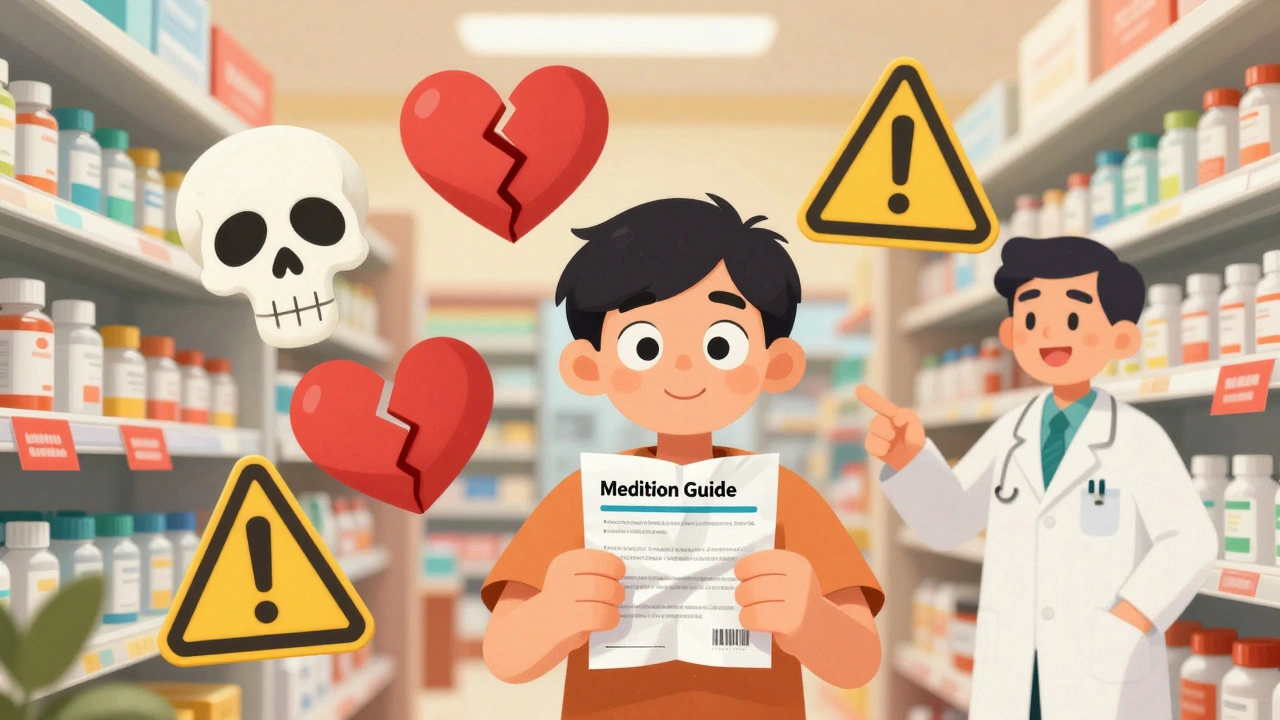
When you pick up a prescription, you’re not just getting pills—you’re getting a medication guide, a set of instructions and warnings designed to help you use drugs safely and avoid serious harm. Also known as drug information sheets, these guides are your first line of defense against mistakes, interactions, and side effects that can turn a simple treatment into a crisis. Too many people skip reading them, assuming the pharmacist or doctor already covered everything. But that’s not true. Medication guides explain what to watch for, when to call your doctor, and which other drugs or foods could make your medicine dangerous.
One of the biggest risks people don’t see coming is drug interactions, when two or more medications react in your body and cause unexpected, sometimes life-threatening effects. For example, taking tetracyclines like doxycycline with isotretinoin for acne can raise pressure inside your skull and lead to permanent vision loss. Or mixing Rhodiola with antidepressants might trigger serotonin syndrome—a condition that can spike your heart rate, temperature, and cause seizures. These aren’t rare cases. They’re documented, preventable, and often ignored until it’s too late. Another hidden issue is how generic medications, the lower-cost versions of brand-name drugs, can behave differently in your body. For drugs with a narrow therapeutic index—like thyroid meds, seizure drugs, or blood thinners—even tiny changes in how your body absorbs them can cause serious side effects or make your treatment stop working. And then there’s the prescription label, the small print on your pill bottle that holds critical info about dosage, timing, and warnings. Most people glance at it once and never look again. But every line matters: the expiration date tells you when the drug might lose strength, the refill number warns you when you’re running out, and the instructions about food or alcohol could mean the difference between safety and hospitalization.
Understanding these elements isn’t just about following rules—it’s about taking control. Whether you’re managing diabetes, high blood pressure, thyroid disease, or just trying to avoid a bad reaction to a new antibiotic, knowing how your meds work and how they interact with your body saves lives. The posts below cover real, practical cases: how to spot dangerous combinations, decode your label, use savings programs to cut costs, avoid counterfeit drugs online, and recognize when side effects are being mistaken for aging. You’ll find guides on what to do during a drug shortage, how combination pills improve adherence, and why some people react differently to generics. This isn’t theory. It’s what you need to know to stay safe and get the most out of your treatment.
Medication Guides are FDA-mandated safety handouts for high-risk prescription drugs. They explain serious side effects in plain language and help prevent dangerous mistakes. Don't ignore them-reading them could save your life.