Adverse Drug Reactions: What They Are, How to Spot Them, and What to Do
When you take a medication, you expect it to help—not hurt. But adverse drug reactions, unintended and harmful responses to medicines taken at normal doses. Also known as drug side effects, they range from mild rashes to fatal heart rhythms and organ damage. These aren’t rare mistakes—they happen every day, to people just like you, often because no one explained the risks.
Some reactions are predictable, like stomach upset from antibiotics. Others sneak up on you. serotonin syndrome, a dangerous surge in brain serotonin caused by mixing certain antidepressants with herbal supplements like Rhodiola can kill you in hours. QT prolongation, a heart rhythm disruption triggered by common antibiotics and antifungals might show up as dizziness or a skipped beat—then lead to sudden cardiac arrest. And drug interactions, when two or more medications clash inside your body, aren’t just about pills. Protein-rich meals can block absorption of levodopa. Even over-the-counter antihistamines can spike your blood pressure if you’re already on heart meds.
These aren’t theoretical risks. Over 1.5 million Americans are harmed by medication errors each year. Seniors mistake drug-induced confusion for aging. Diabetics on newer pills face rare but deadly infections. Antibiotics trigger deadly gut infections like C. diff. And when you buy drugs online or abroad, you might be swallowing counterfeit pills that contain poison instead of medicine. The system isn’t broken—it’s overlooked. Most people never learn how to read their prescription label, spot red flags, or ask the right questions at the pharmacy.
Below, you’ll find real, practical guides on exactly how to avoid these dangers. From recognizing the early signs of serotonin syndrome to understanding why your blood pressure pill might be worse than two separate pills, these posts cut through the noise. You’ll learn what to do when your drug runs out, how to use manufacturer discounts to cut costs without risking safety, and why some side effects fade while others don’t. This isn’t theory. It’s what you need to know to keep yourself and your loved ones safe.
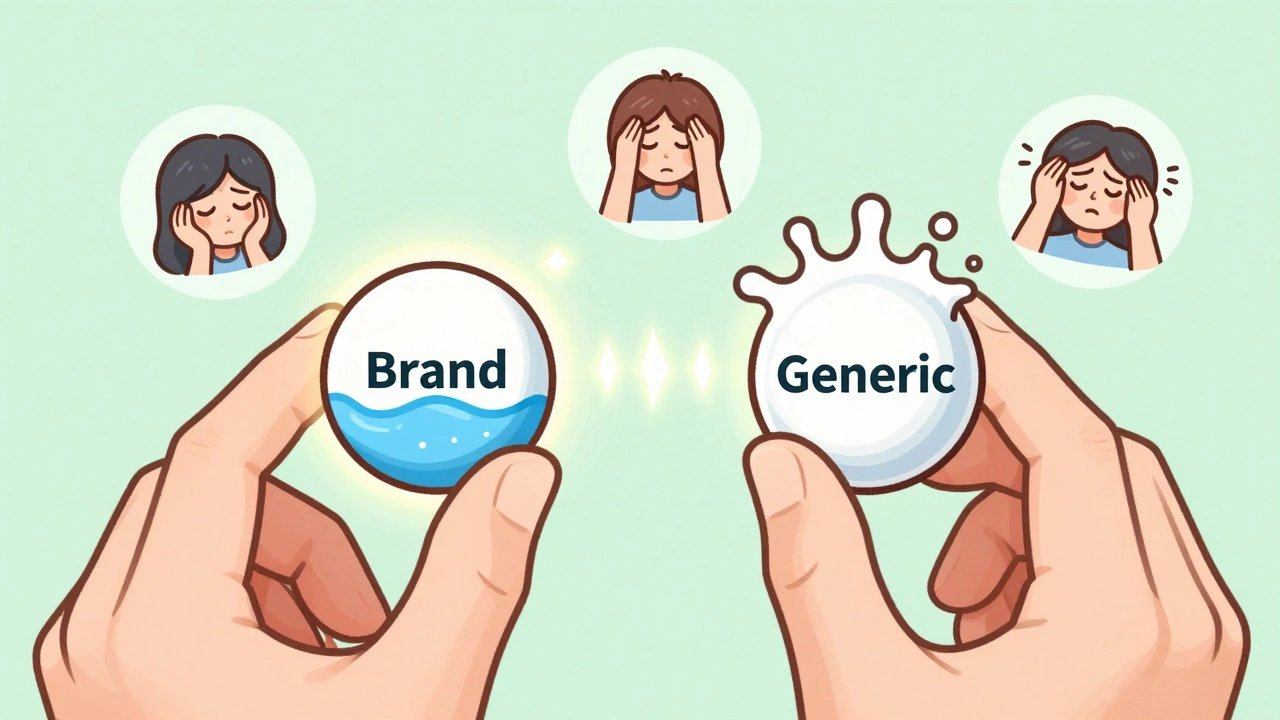
Generic medications save money but aren't always identical in how they affect your body. For some drugs, even small differences in absorption can cause serious side effects-especially for people on thyroid, seizure, or blood-thinning meds.